
The Last Decade of Eames Furniture
In their final years of furniture design, the Eameses reimagined earlier works using new materials and technology to meet the evolving needs of modern workplaces.
Skip to main content
Eames
Institute
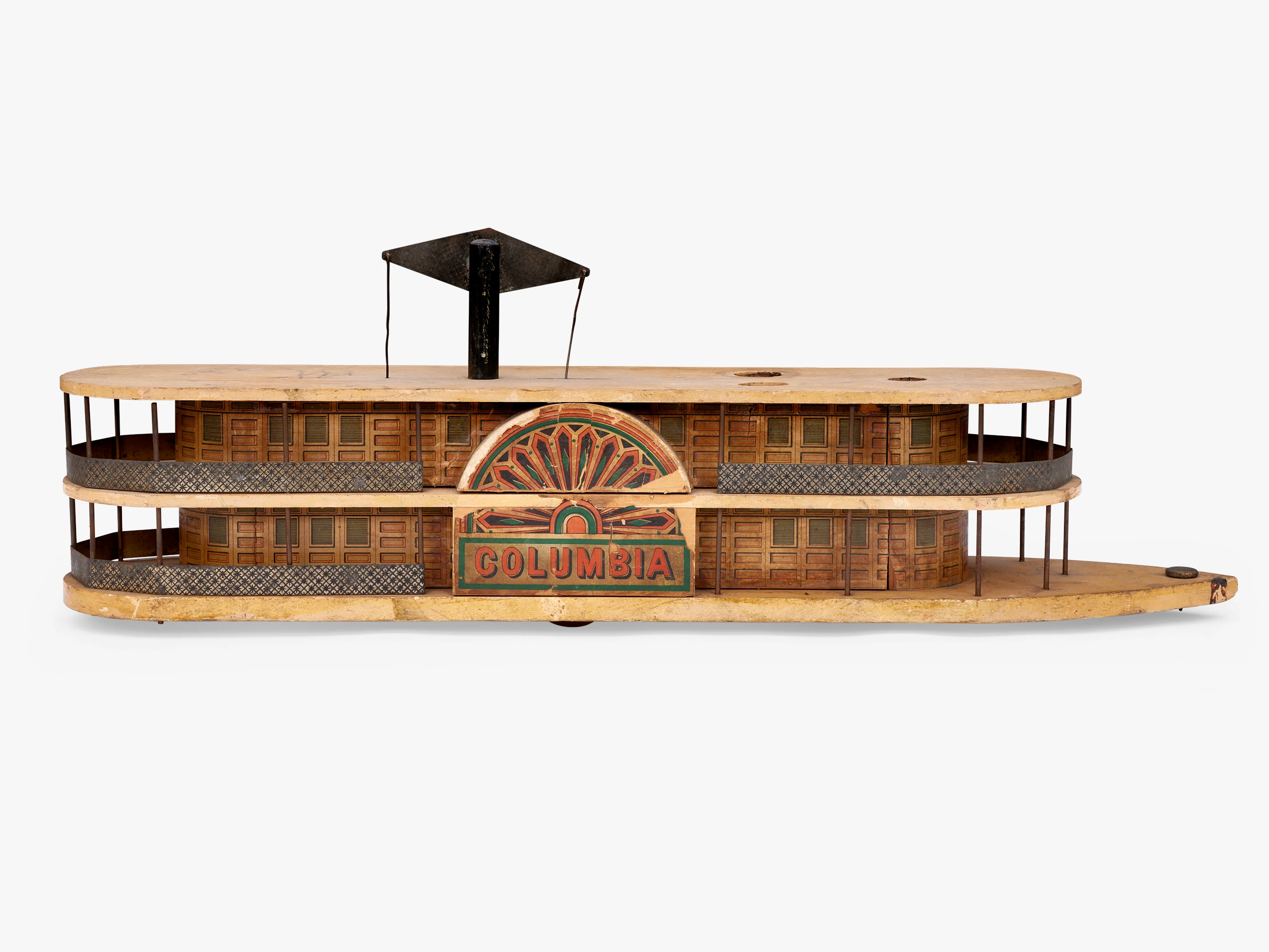
“Columbia” Toy Boat
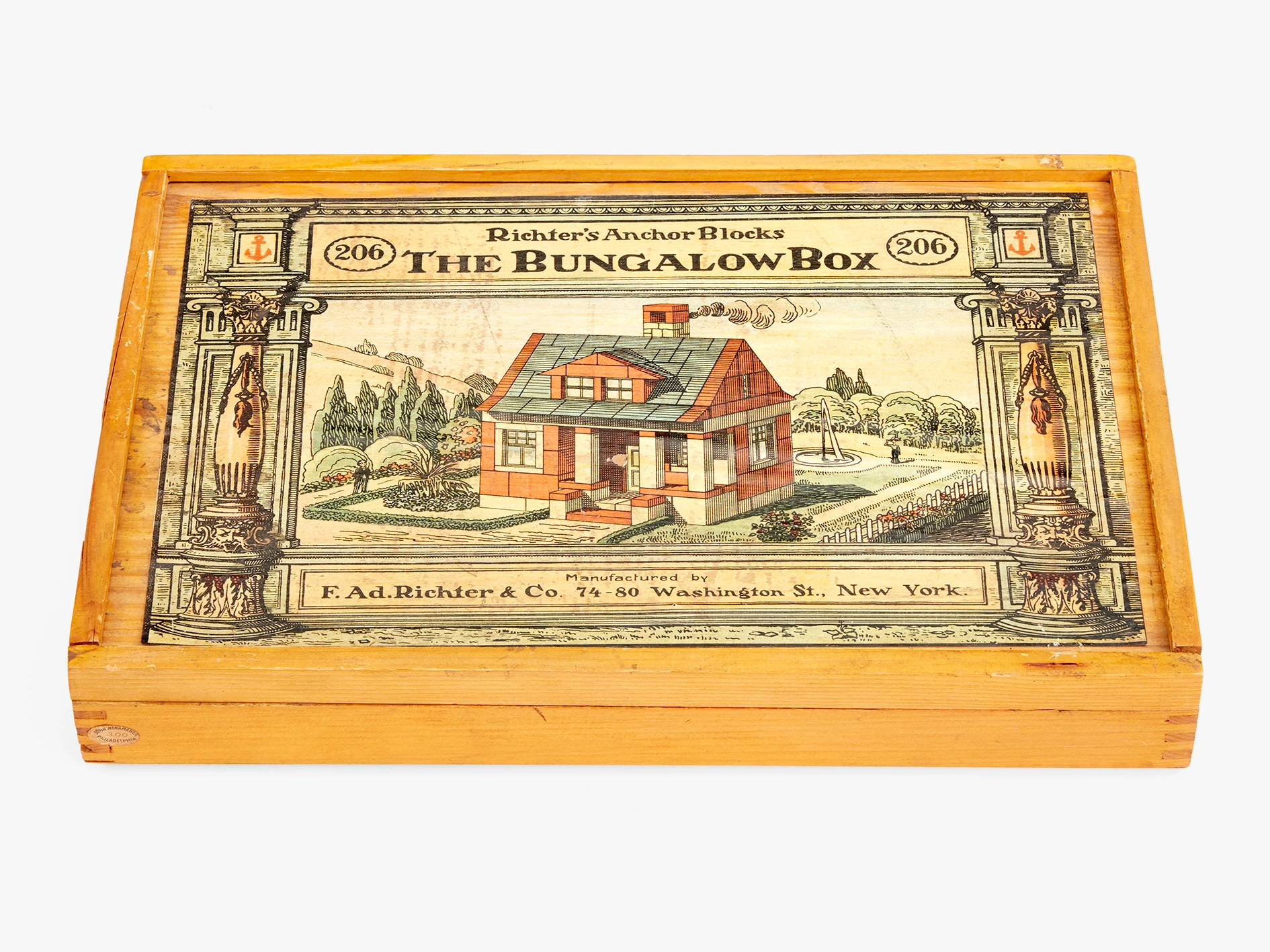
Richter’s Anchor Blocks
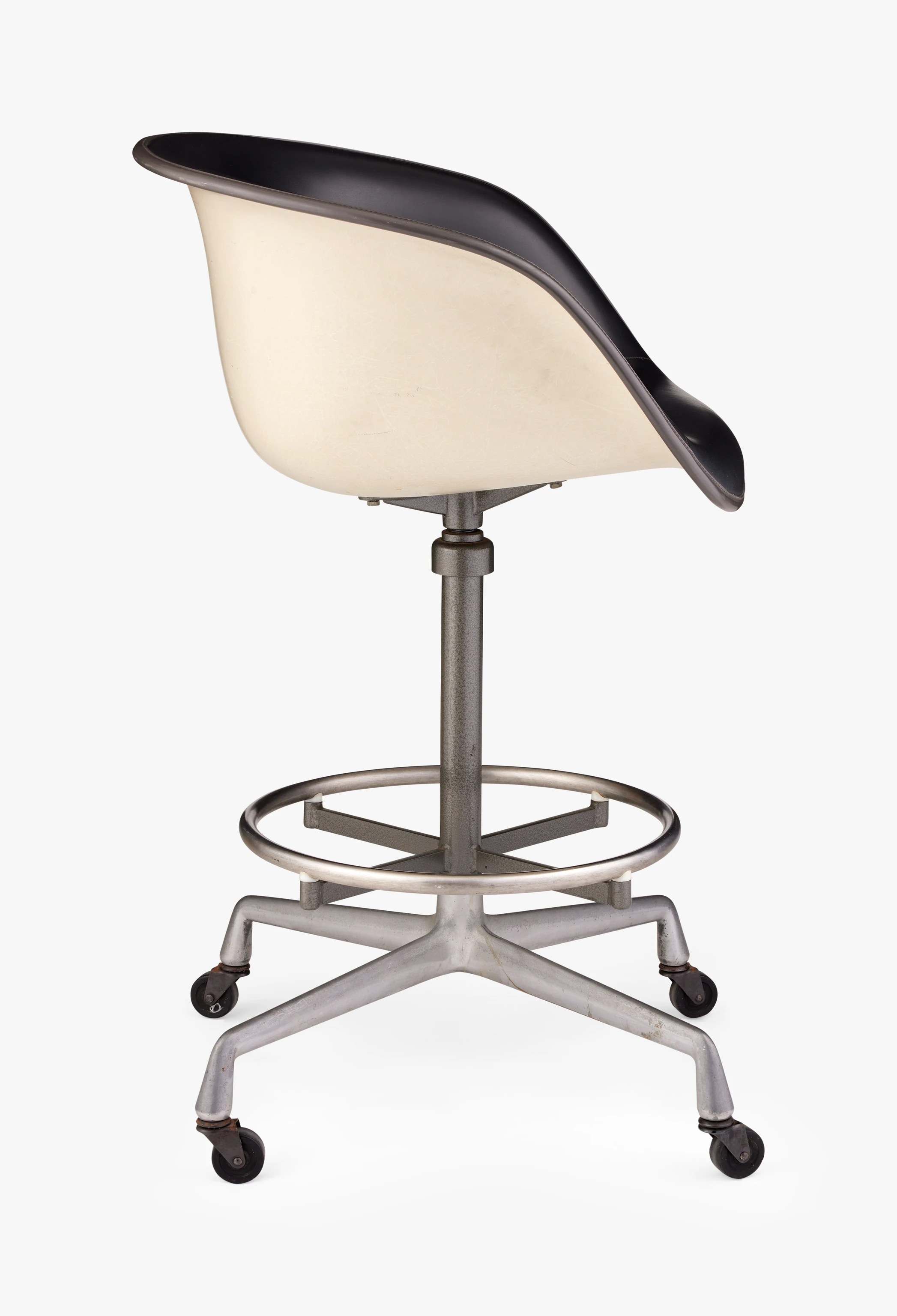
EC121 Adjustable Stool Swivel with 1730 Arm Shell
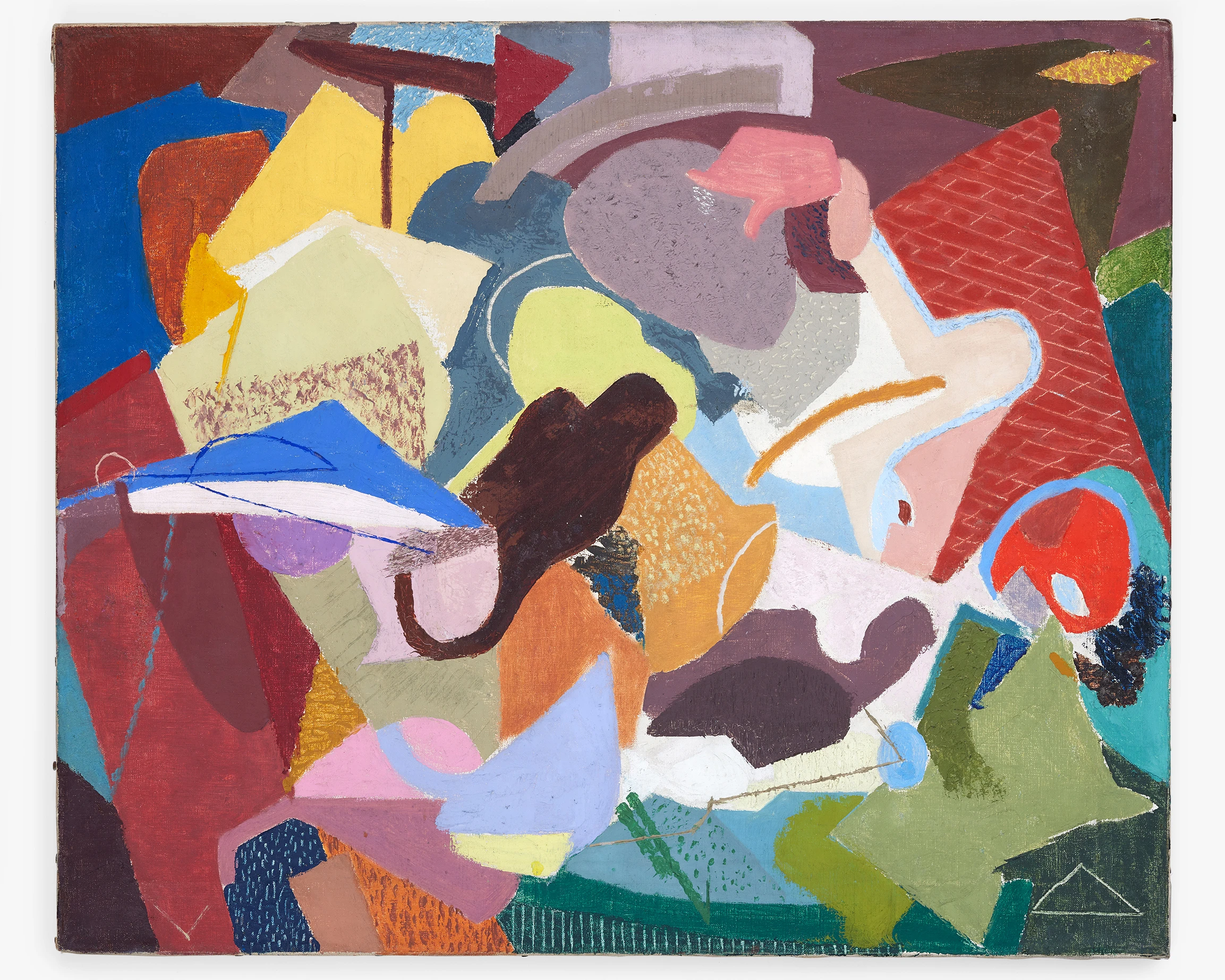
Untitled, 1935–1936
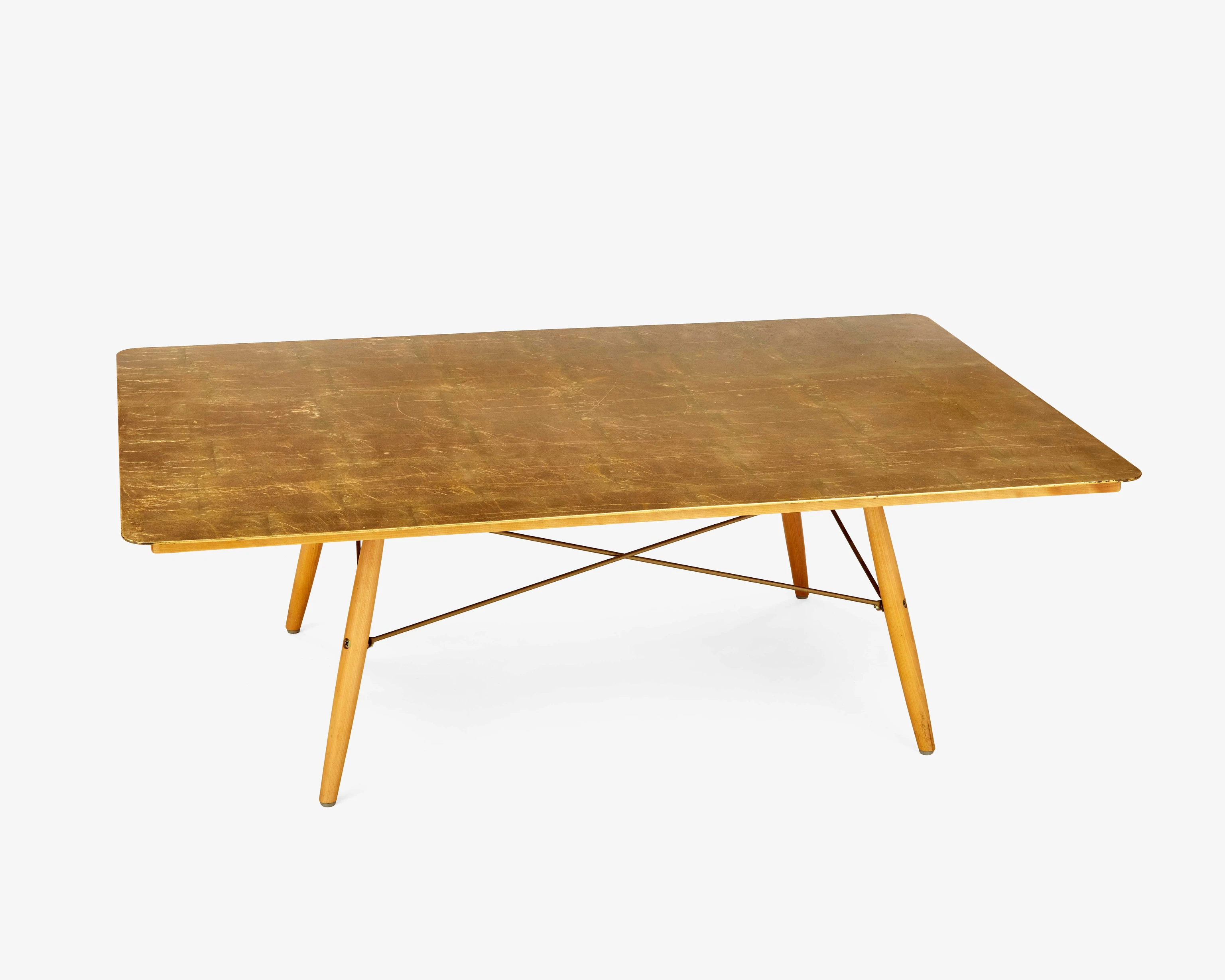
Eames House Anniversary Table
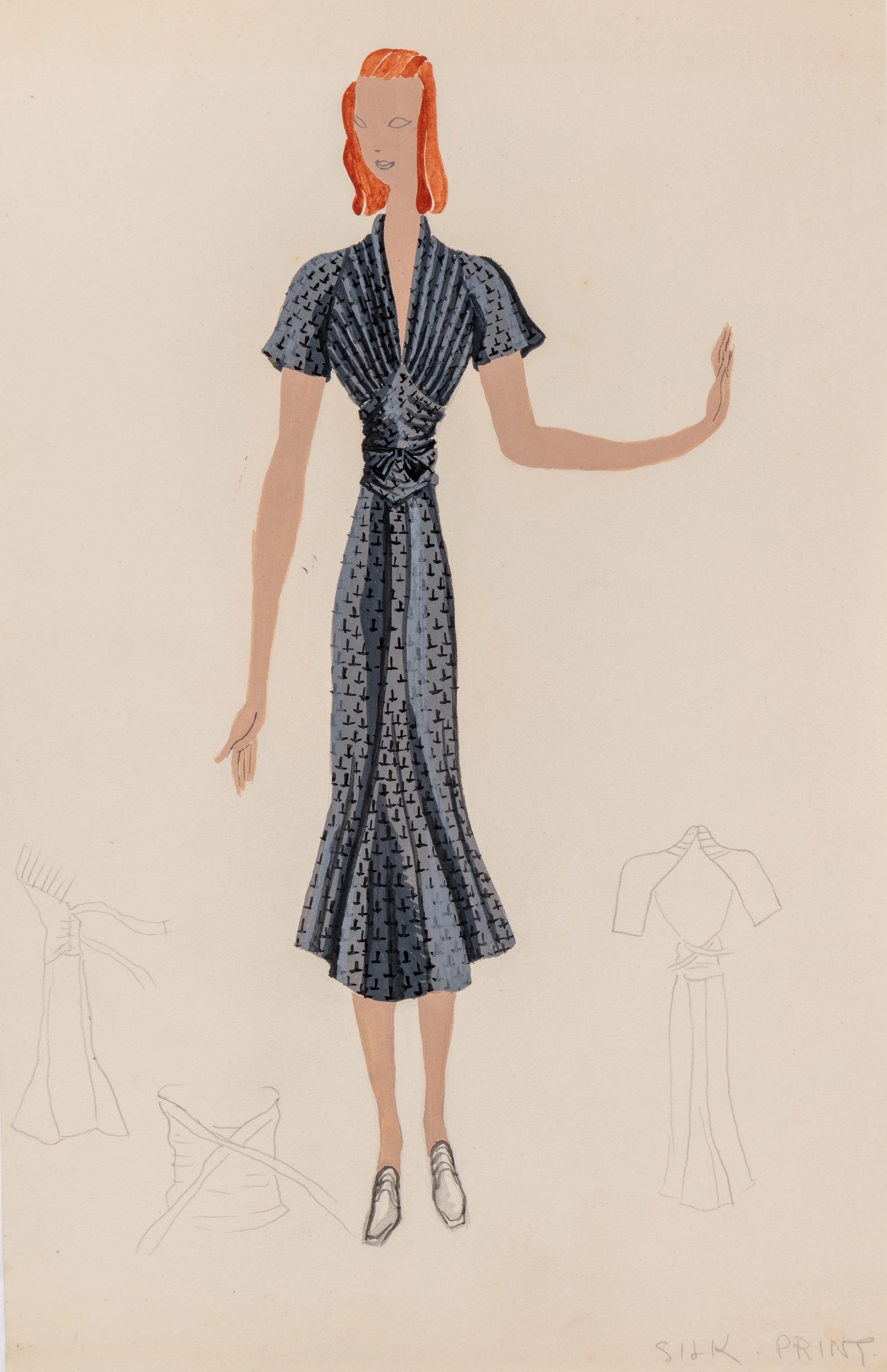
Fashion Drawing: Black Pleated Day Dress

Plaque from 1964 New York World’s Fair
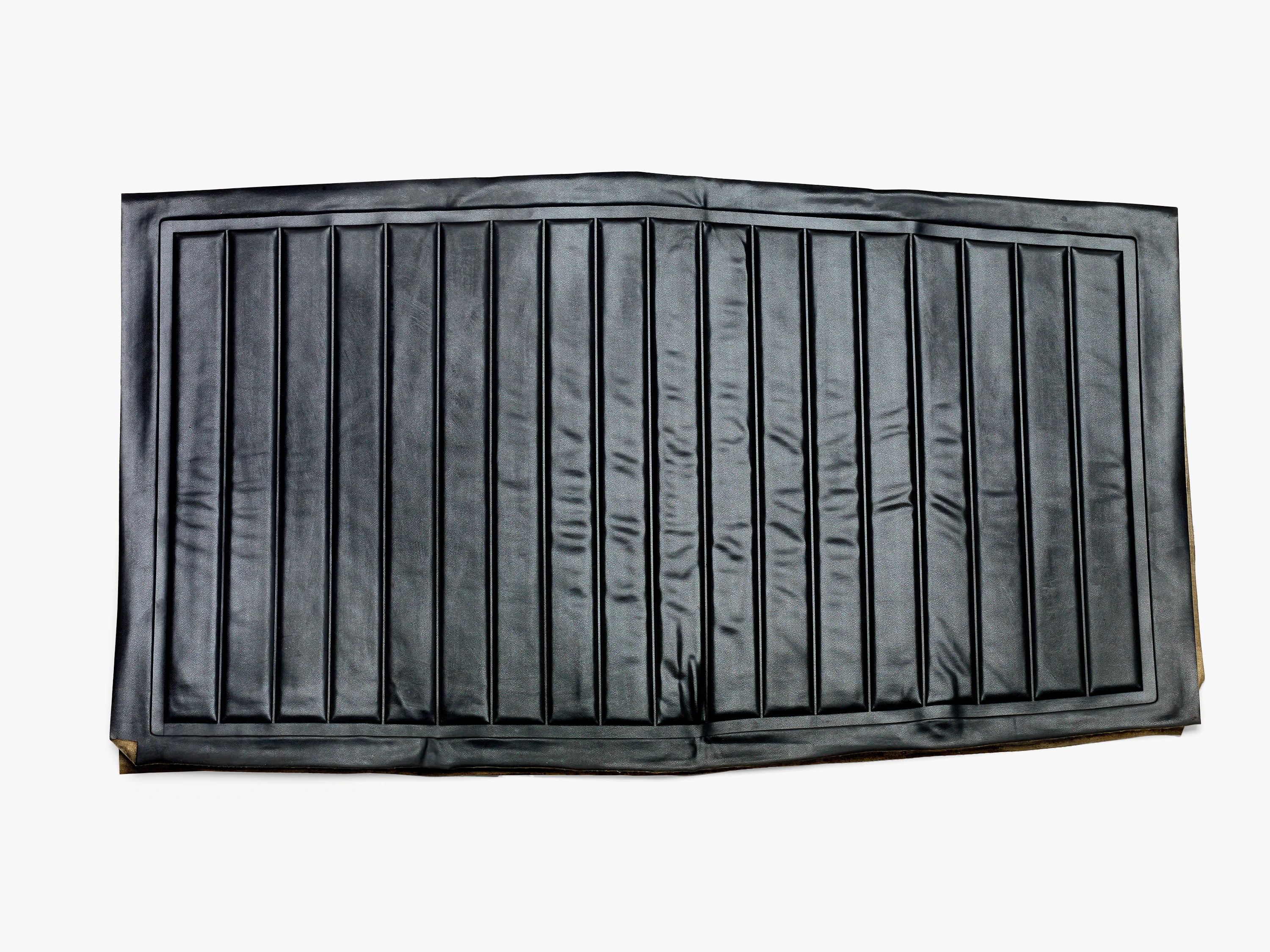
Seat Cover Prototype
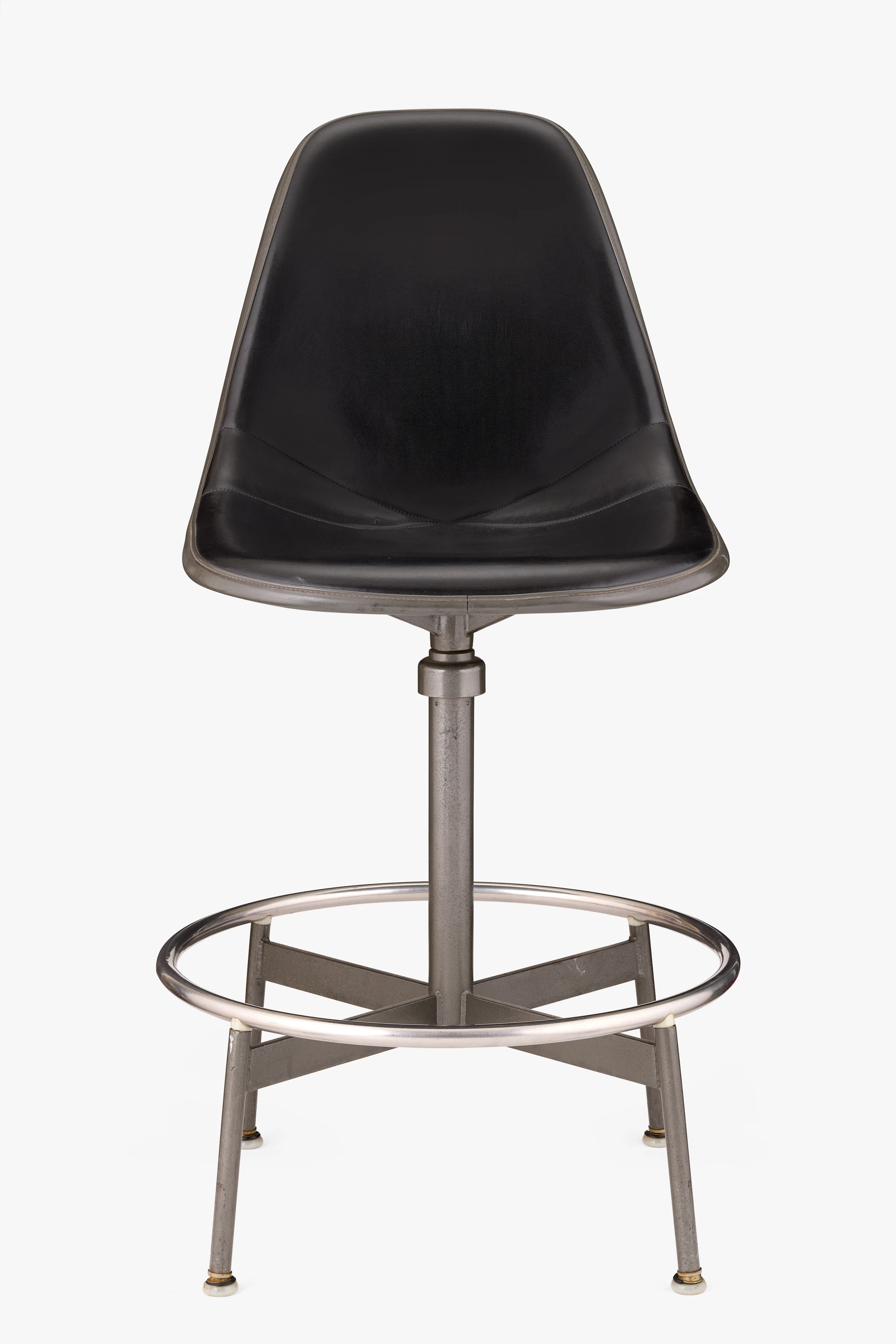
626NS-1 Drafting Chair
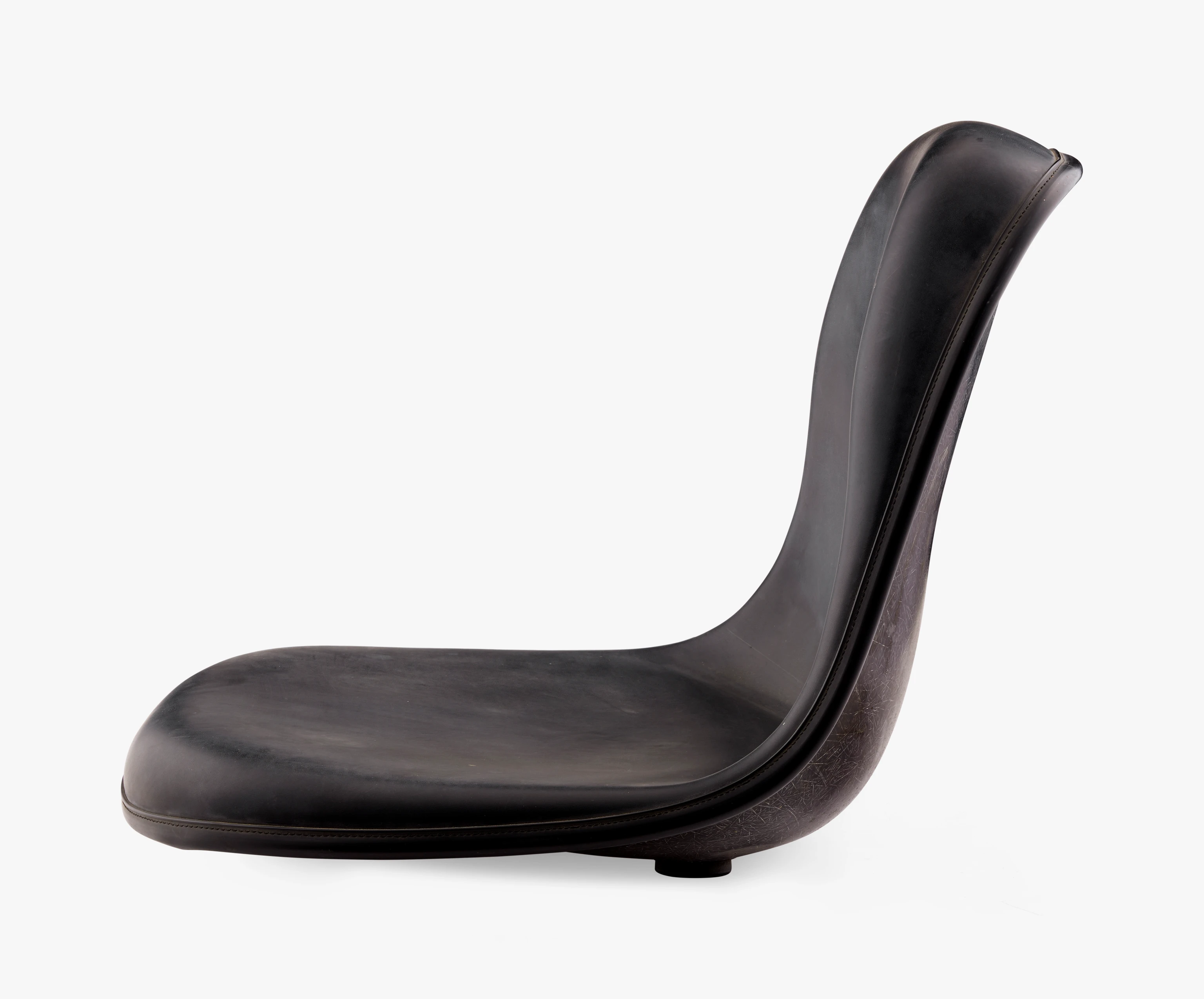
PSCA-36 Secretarial Adjustable Side Shell Prototype
Cast Armrest 2
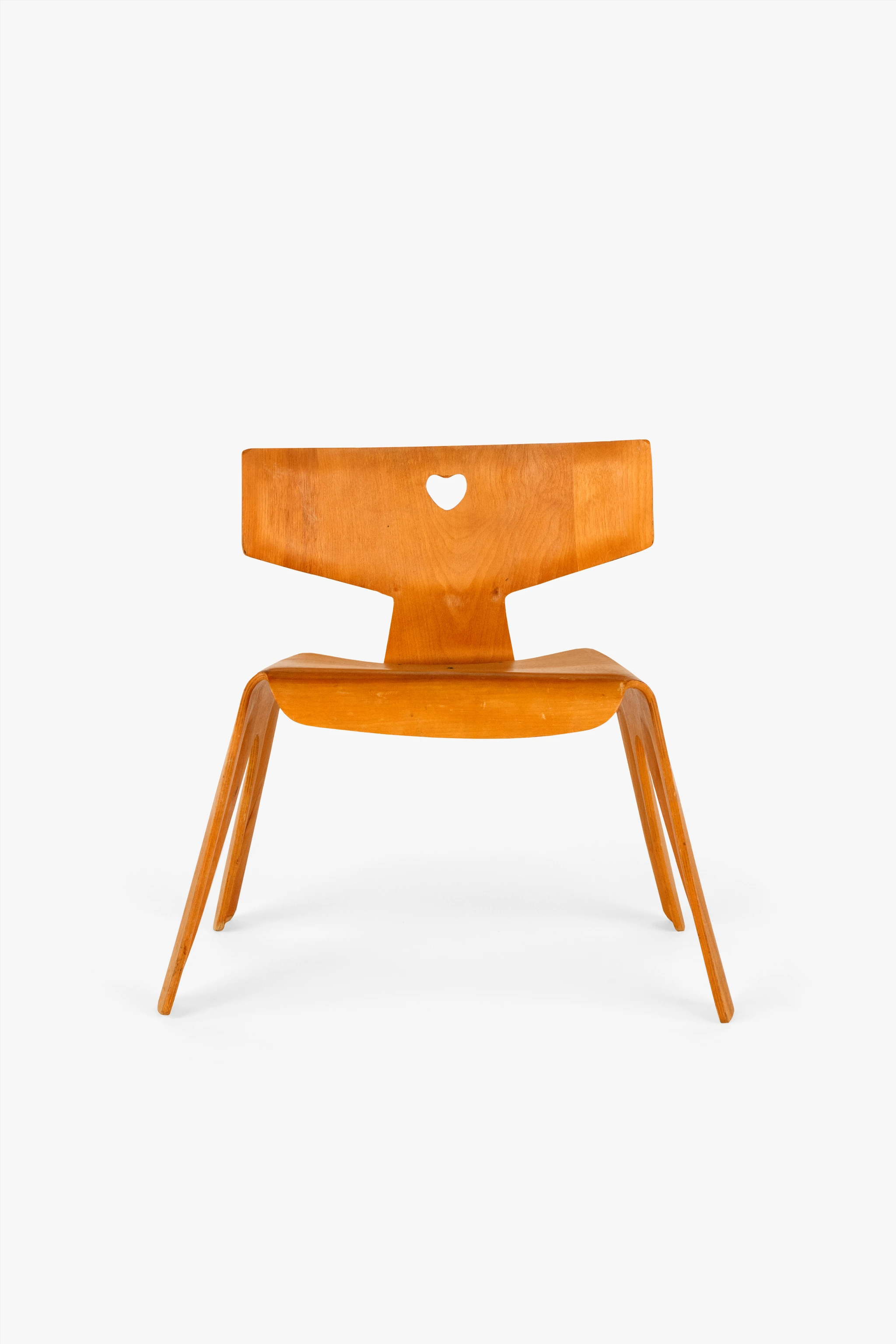
Child’s Chair
Carved Spreader 3
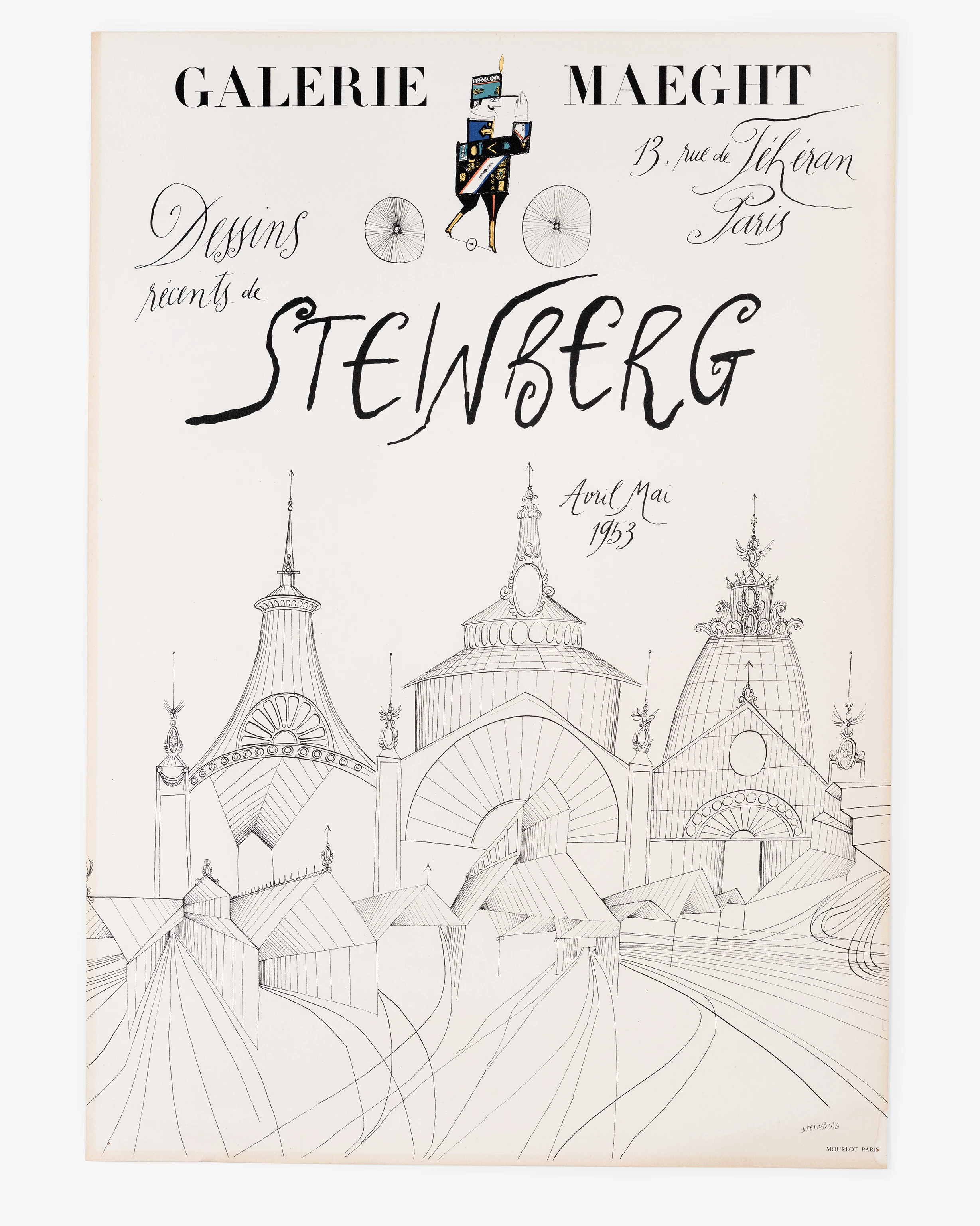
Steinberg Galerie Maeght Poster (1953)
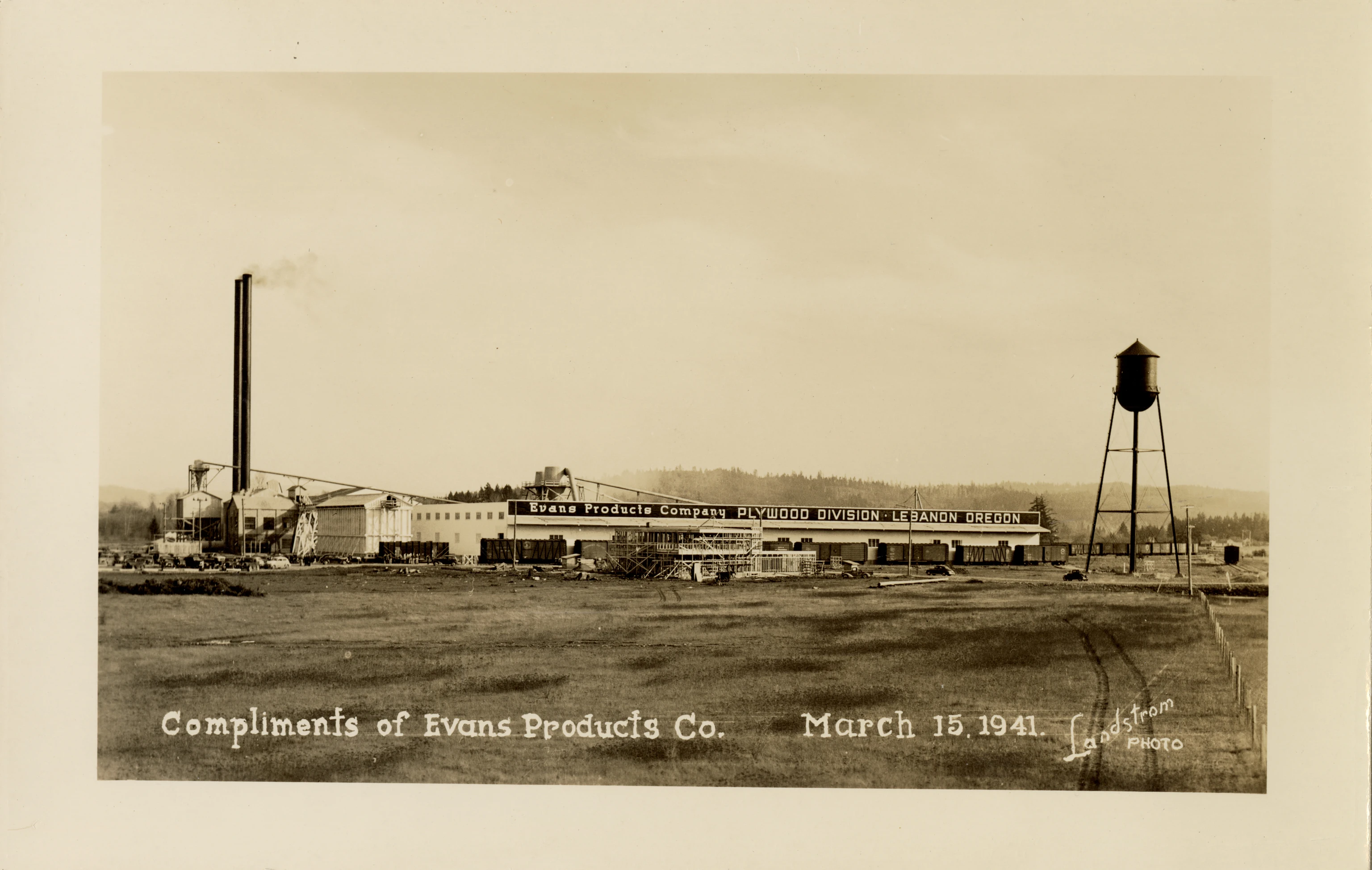
“Compliments of Evans Products Co.” Postcard
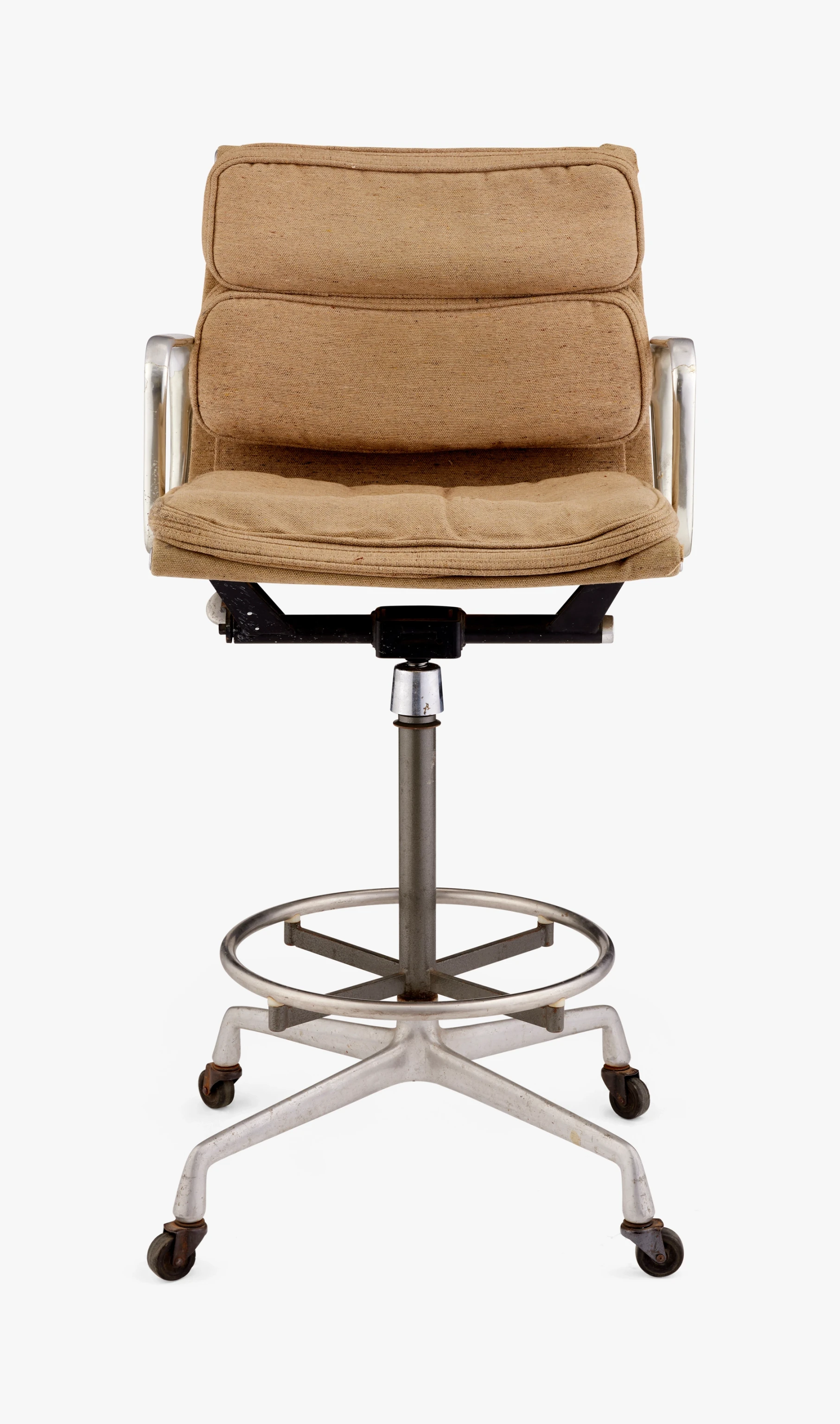
Eames Soft Pad Armchair on Drafting Chair Base Prototype

Prototype Lounge Chair Spider Casting Mold
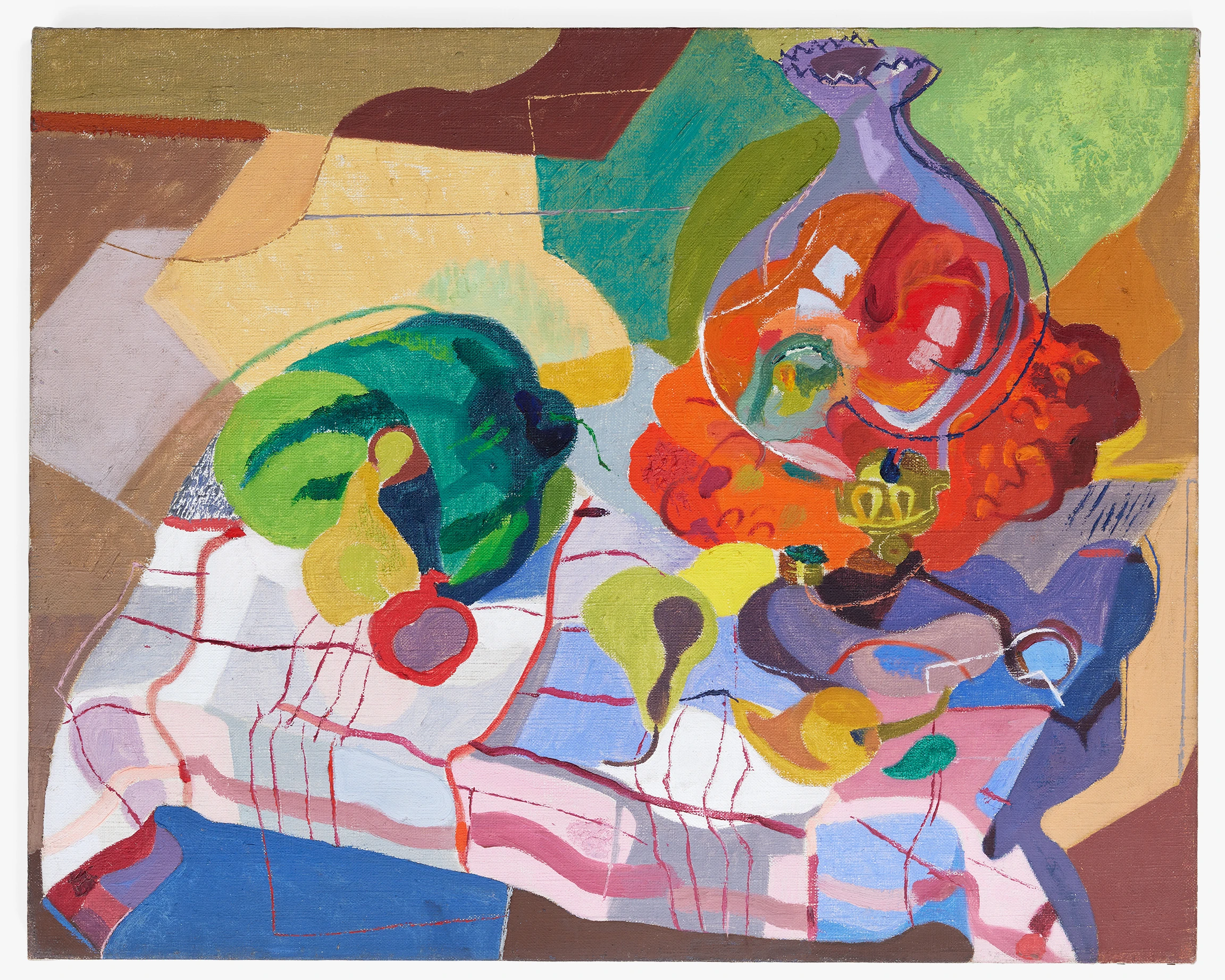
Untitled, 1934–1935
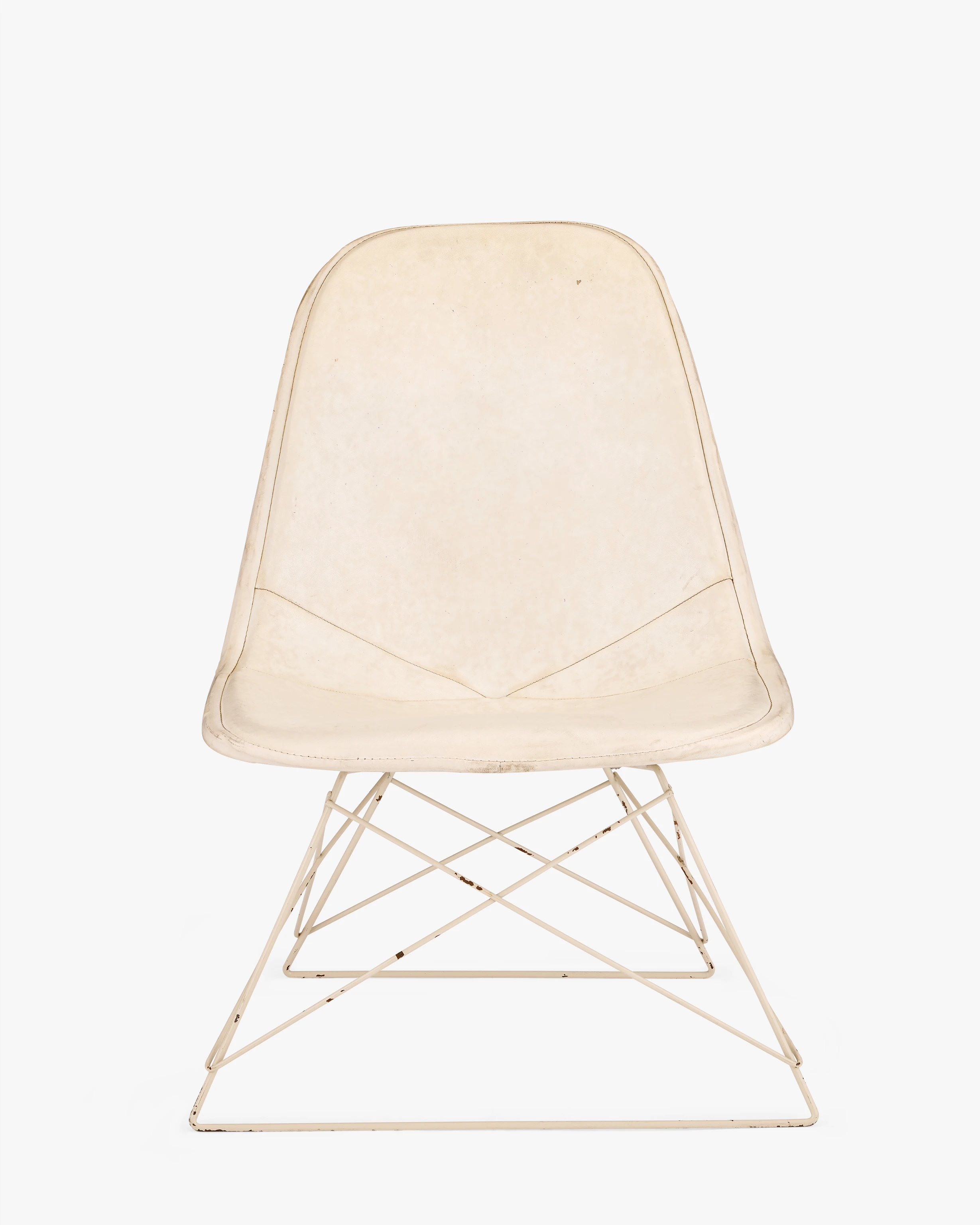
LKR-1 Upholstered Wire Chair
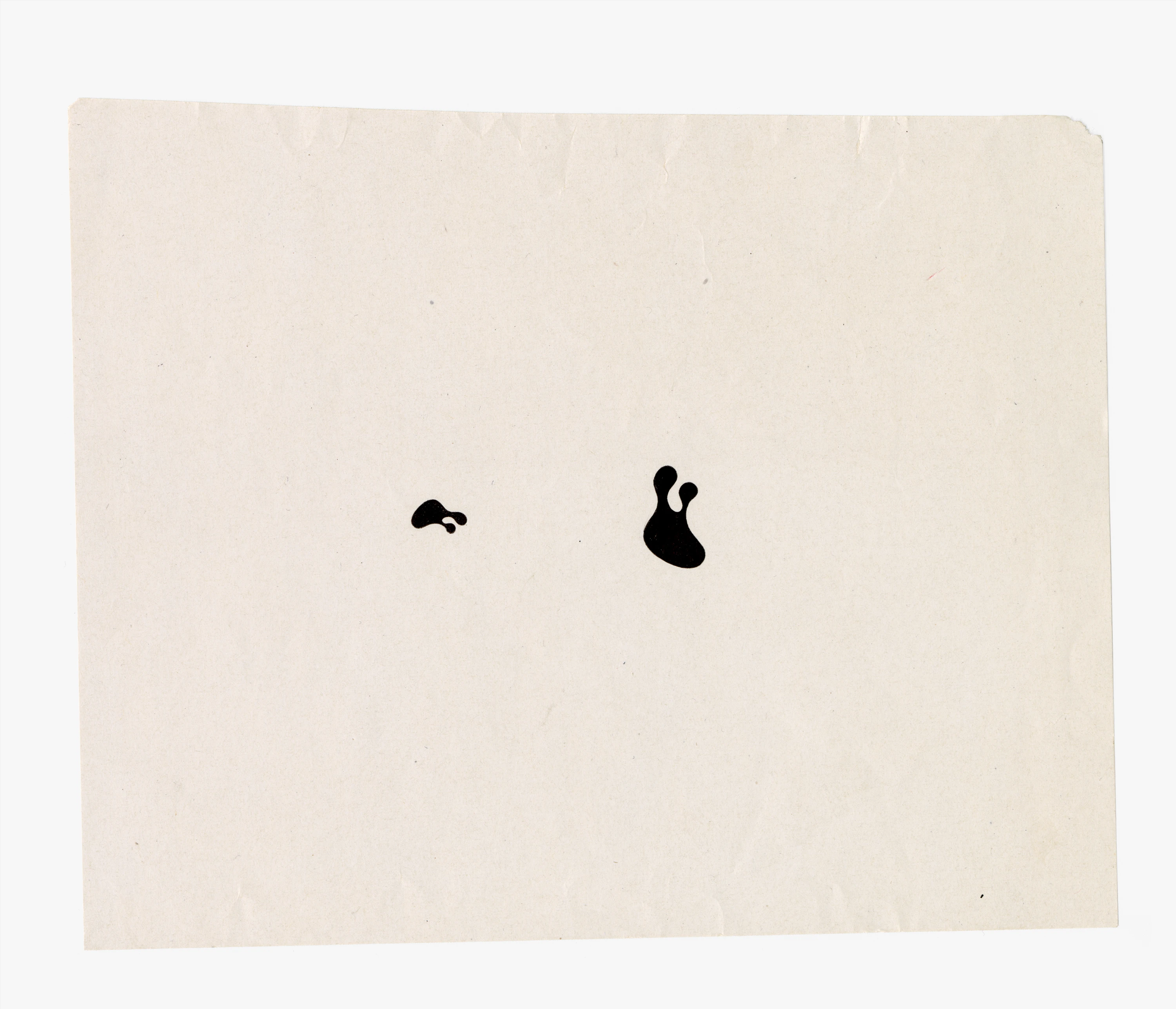
Study for Plyformed Wood Company Logo
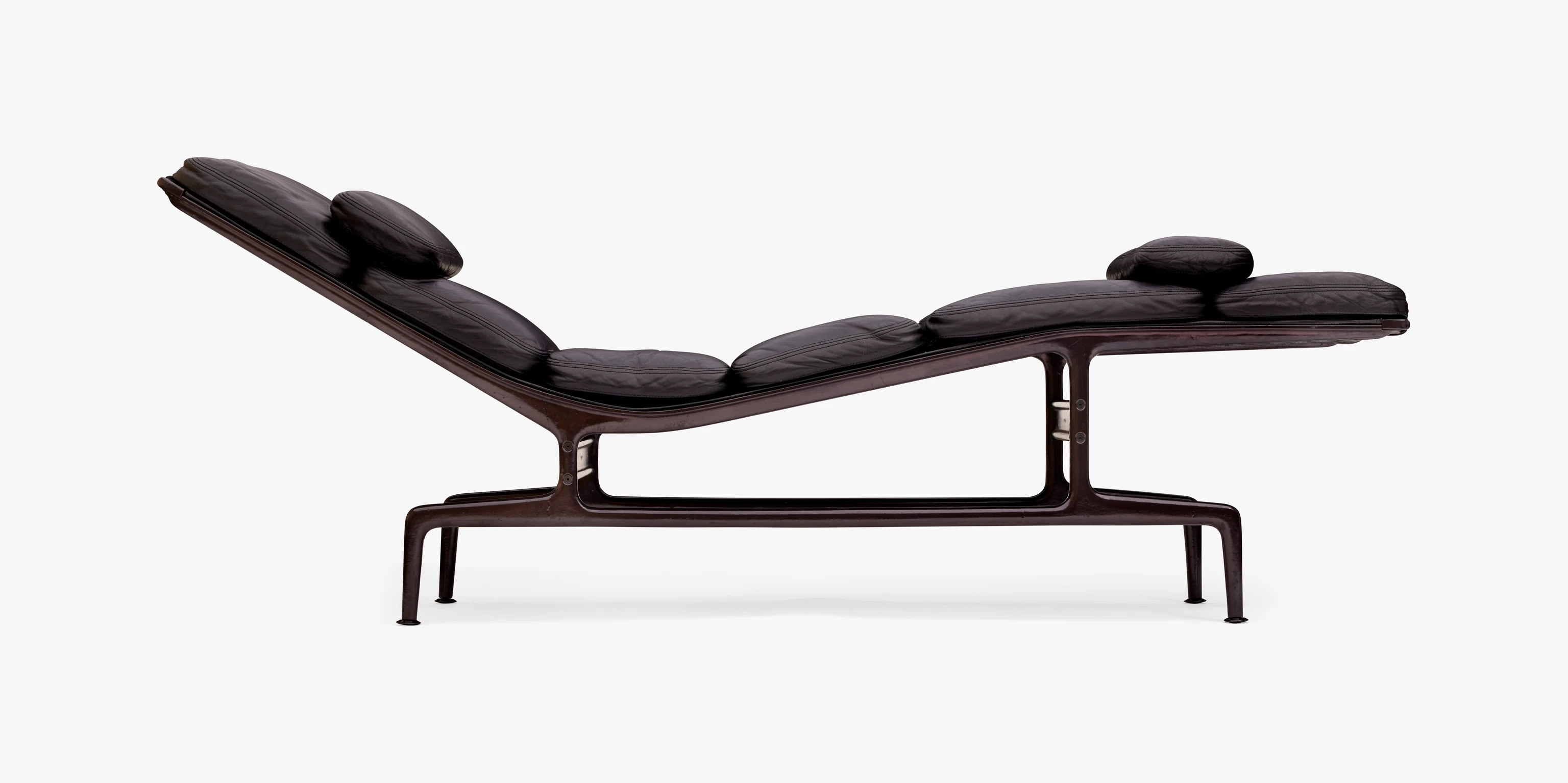
ES106 Eames Chaise
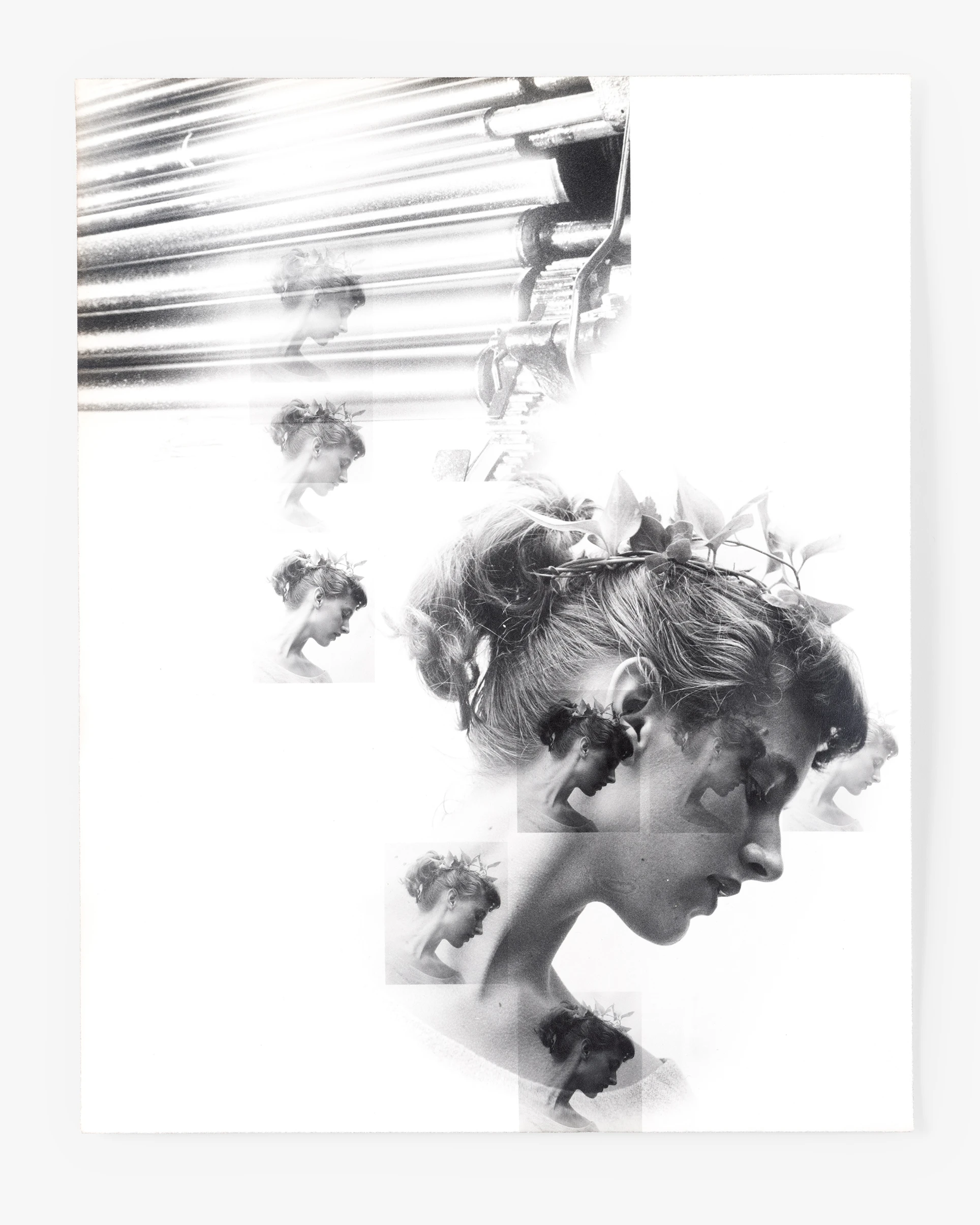
Lucia Eames Photomontage
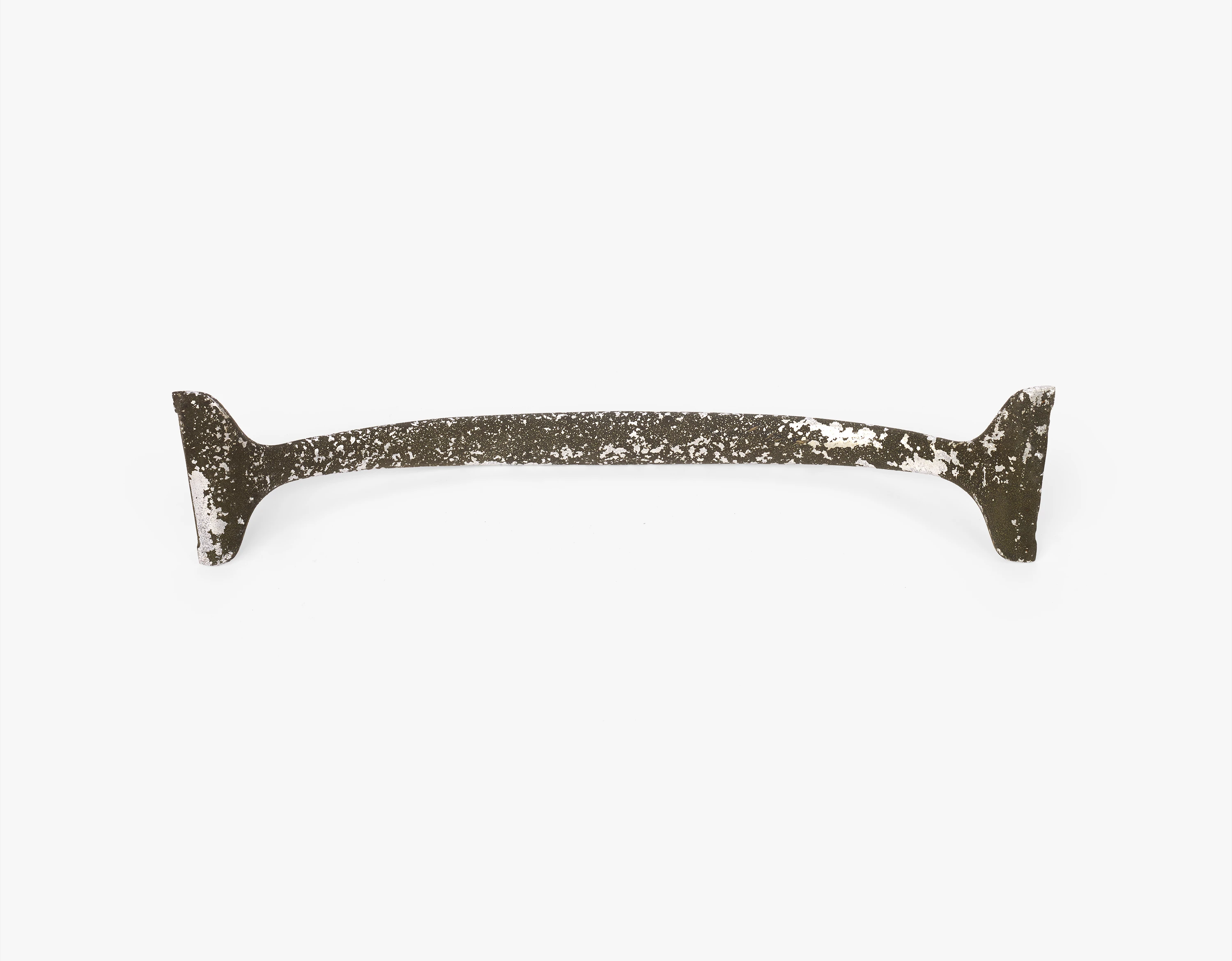
Cast Spreader 3
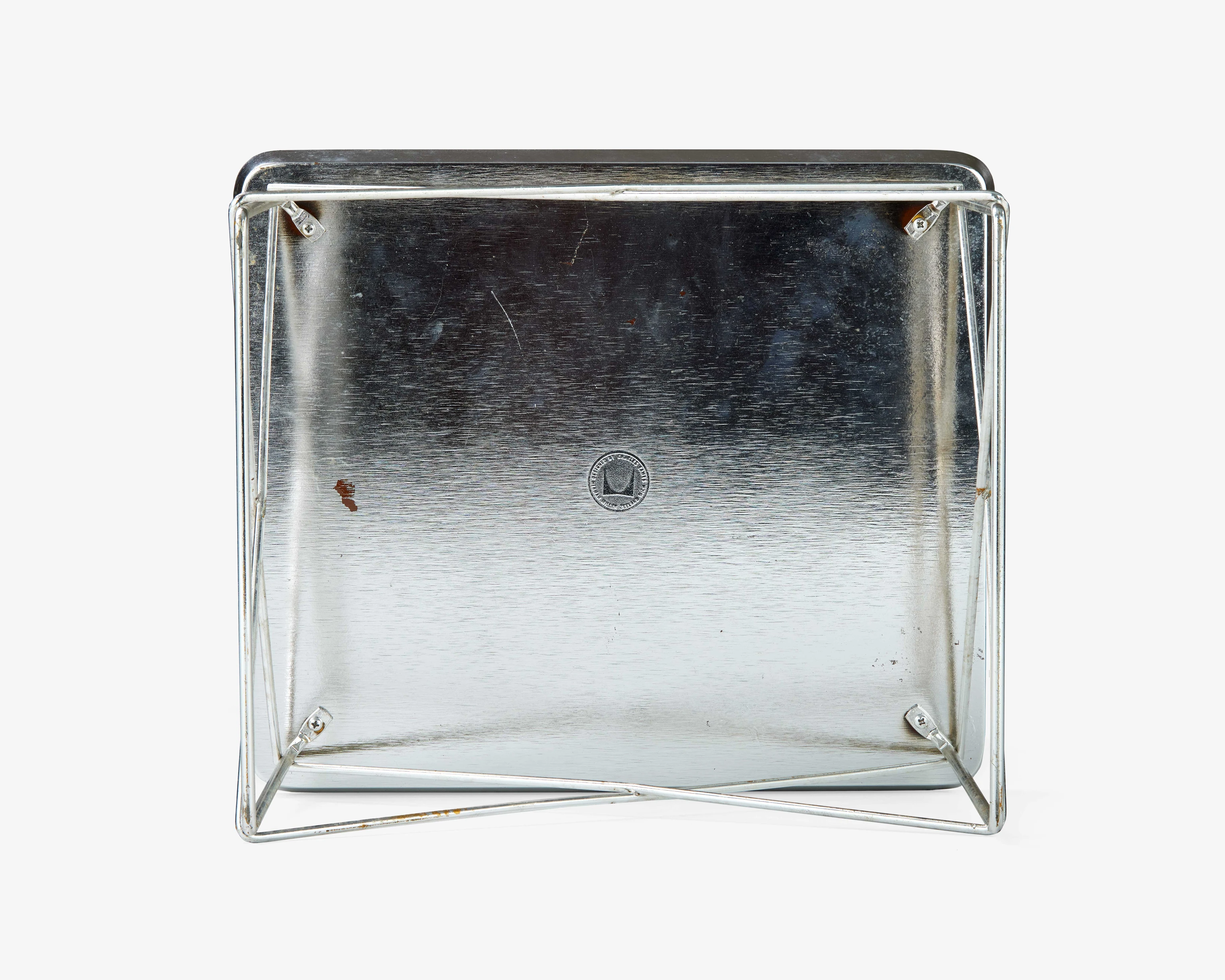
Unique Silver LTR (Strut Table)
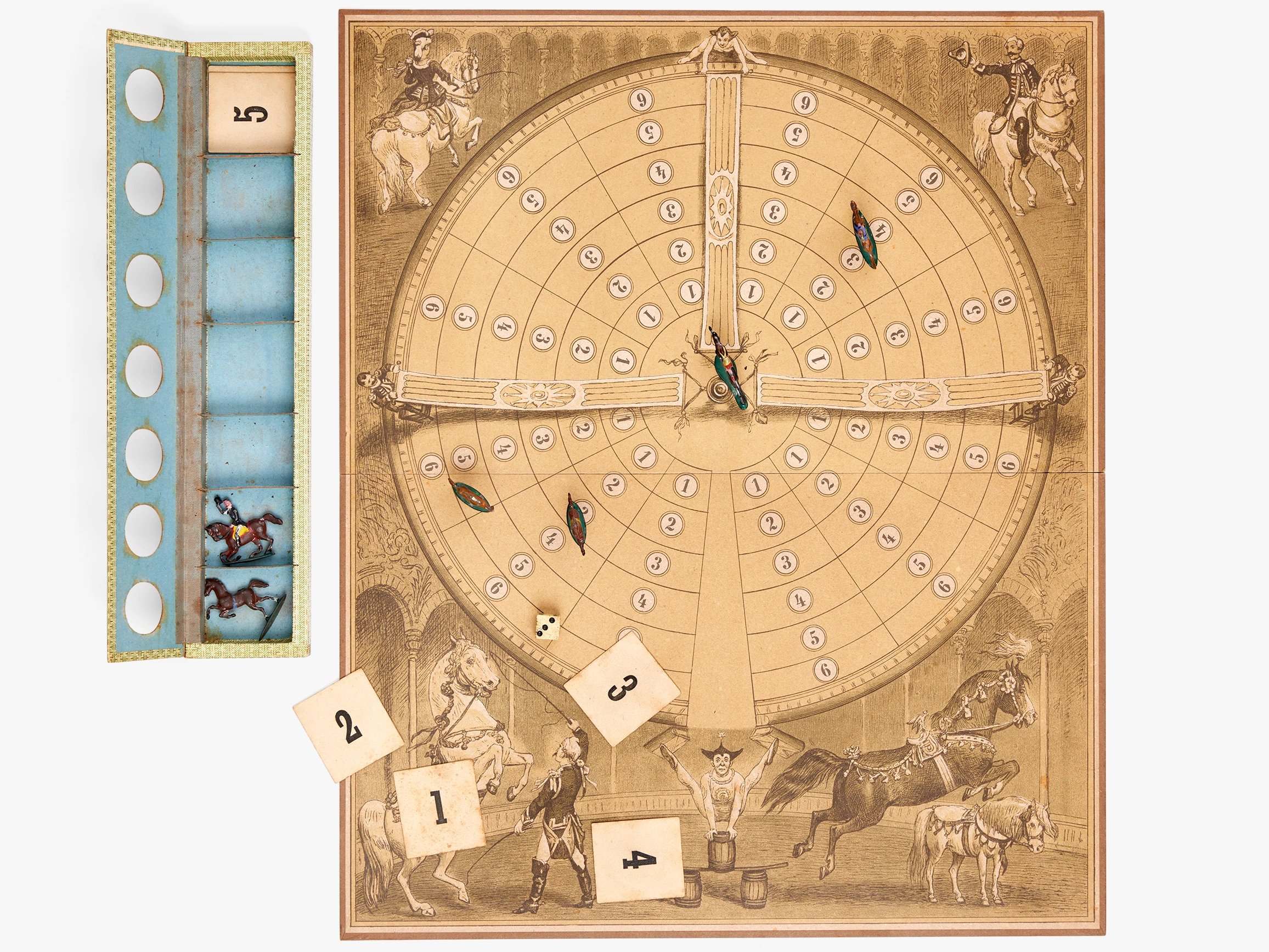
Le Cirque Board Game
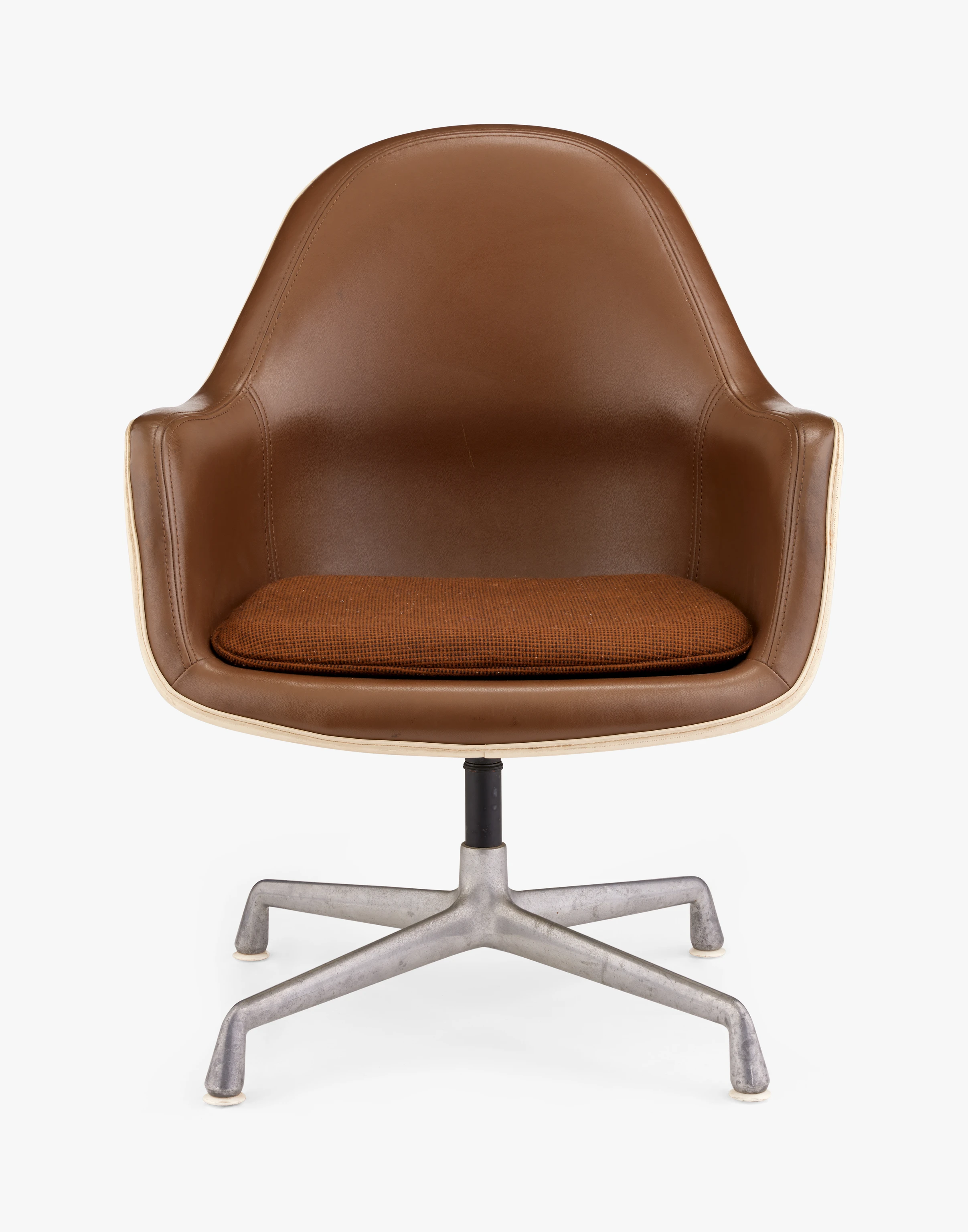
EC176 Loose Cushion Armchair (Glides)
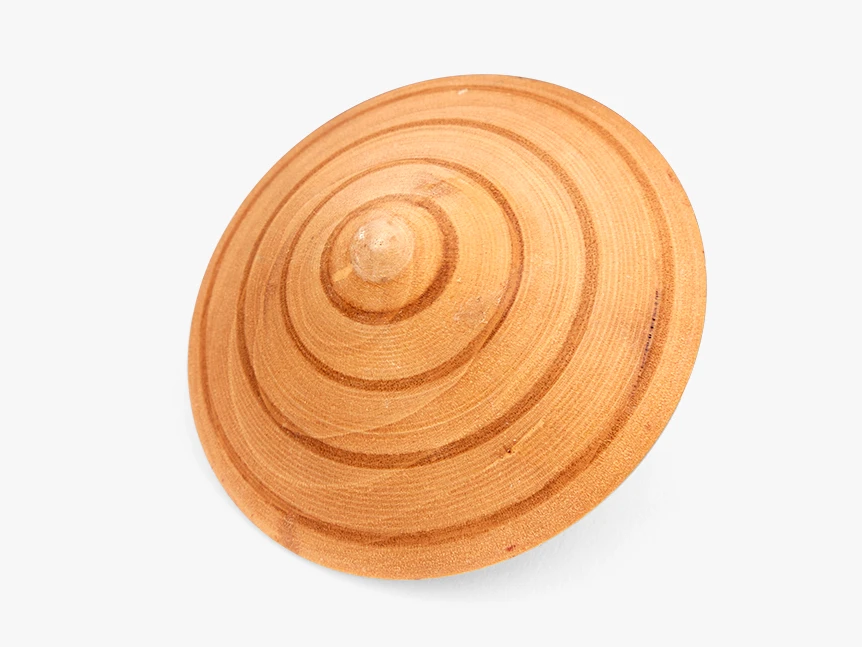
Japanese Top
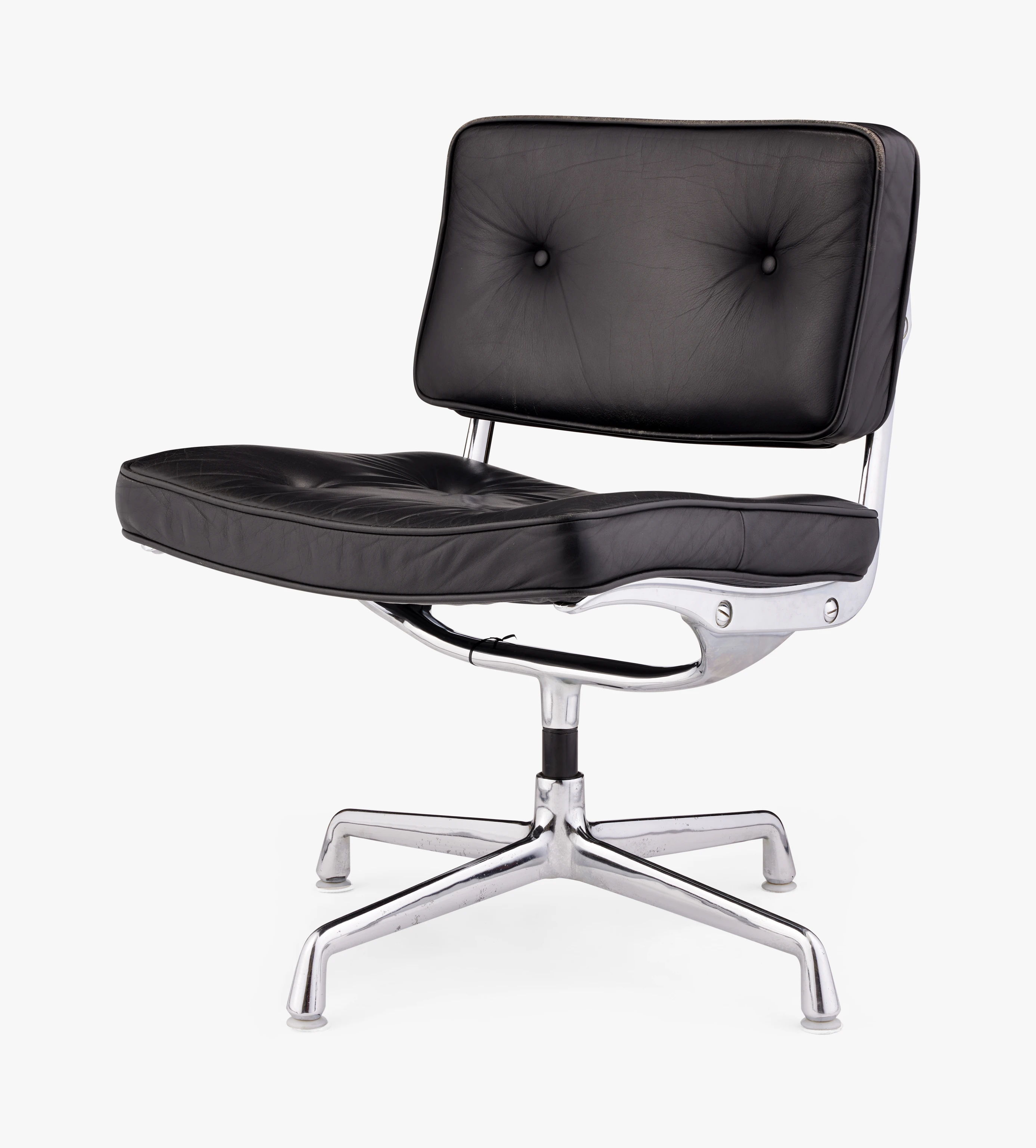
ES101 Intermediate Chair
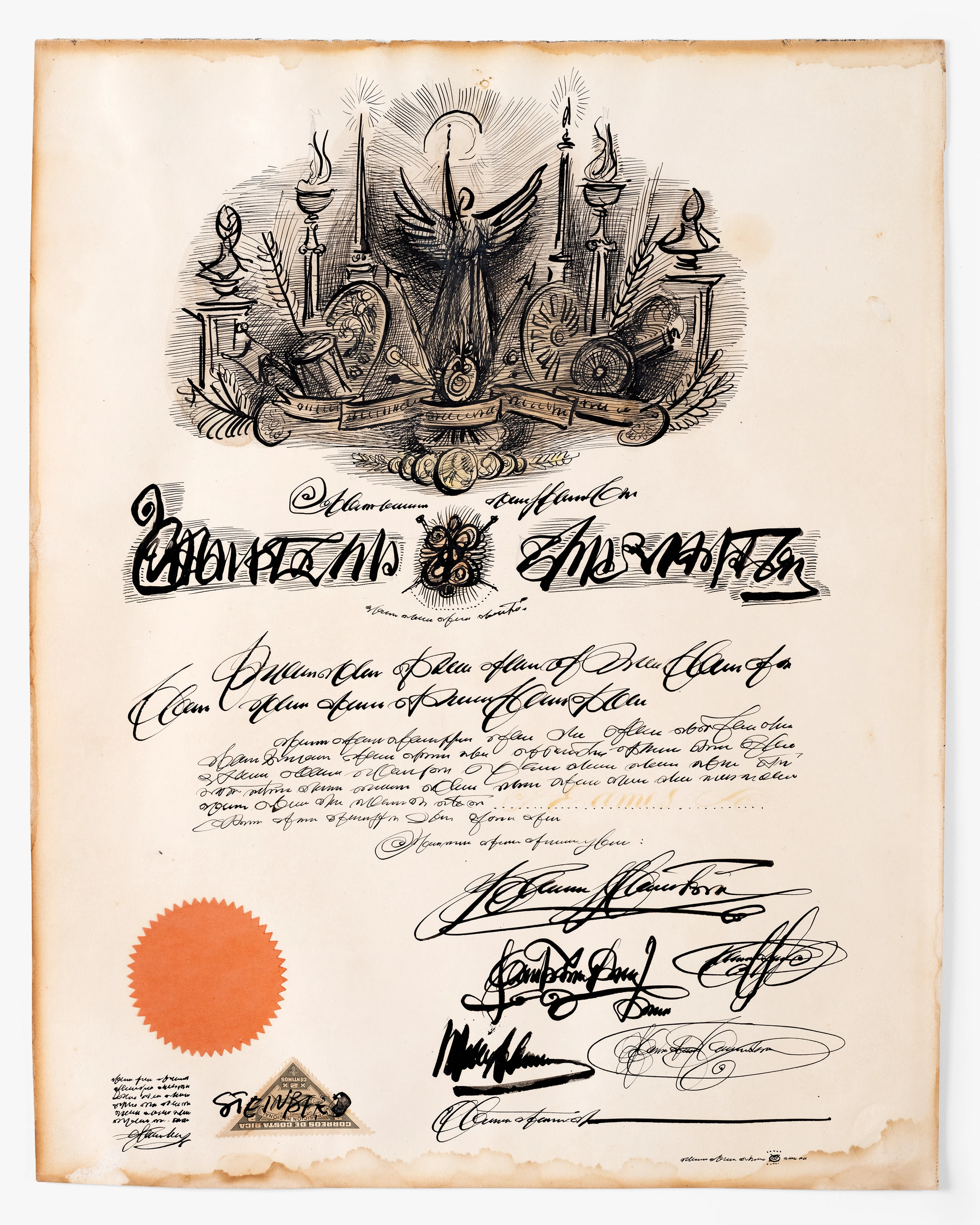
Diploma for Charles Eames
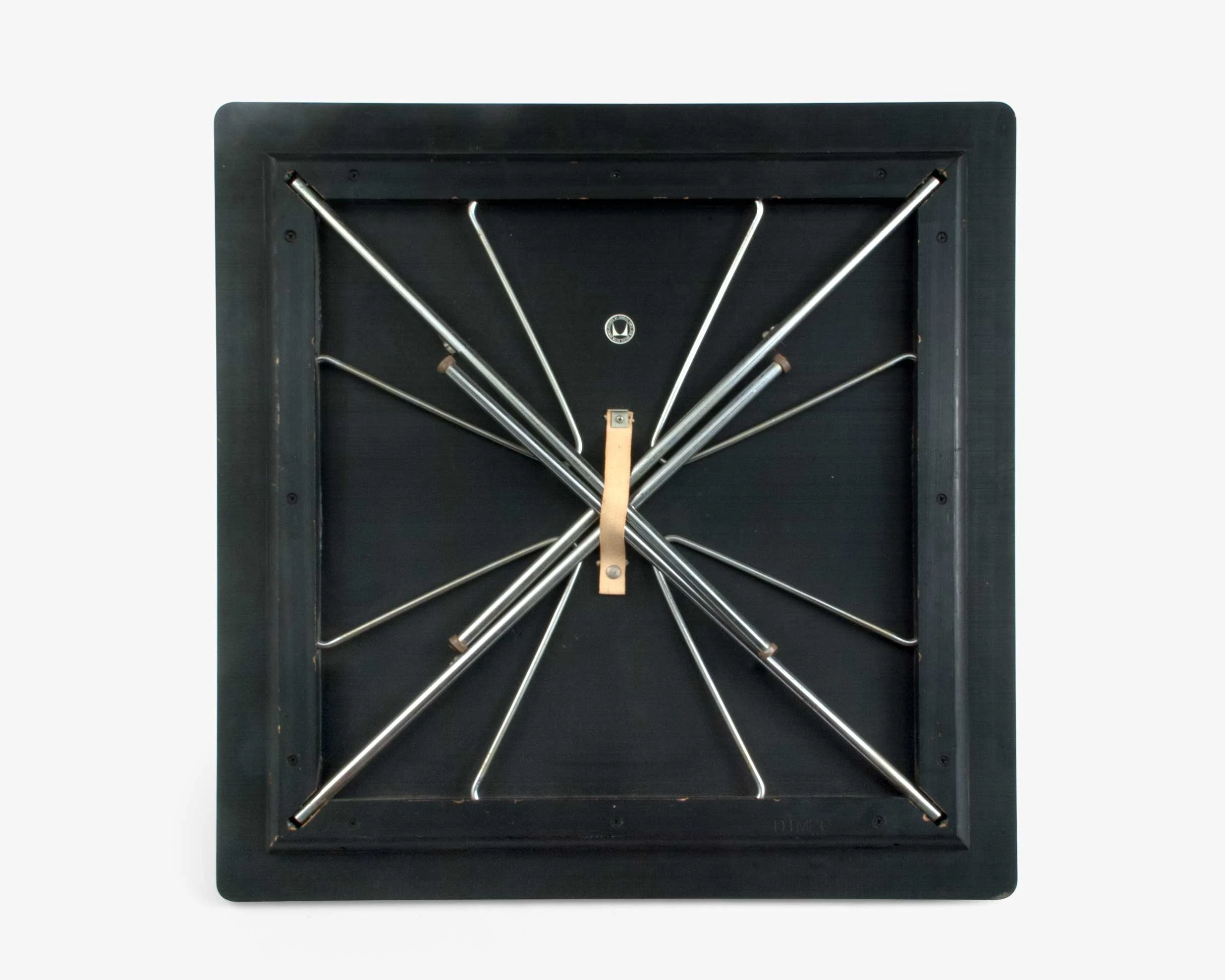
DTM-20 (Dining Table Metal)
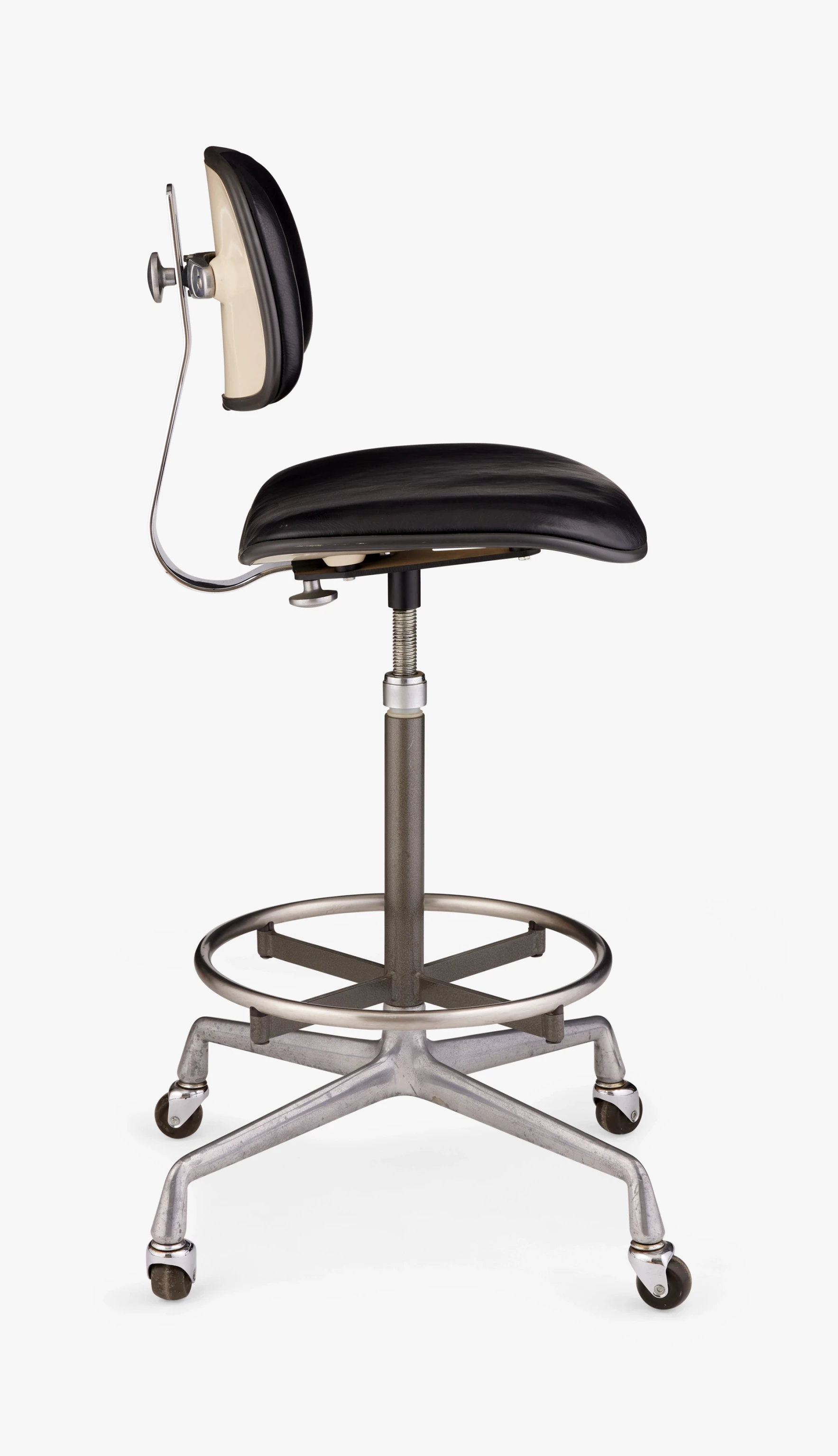
EC428 Operational Stool
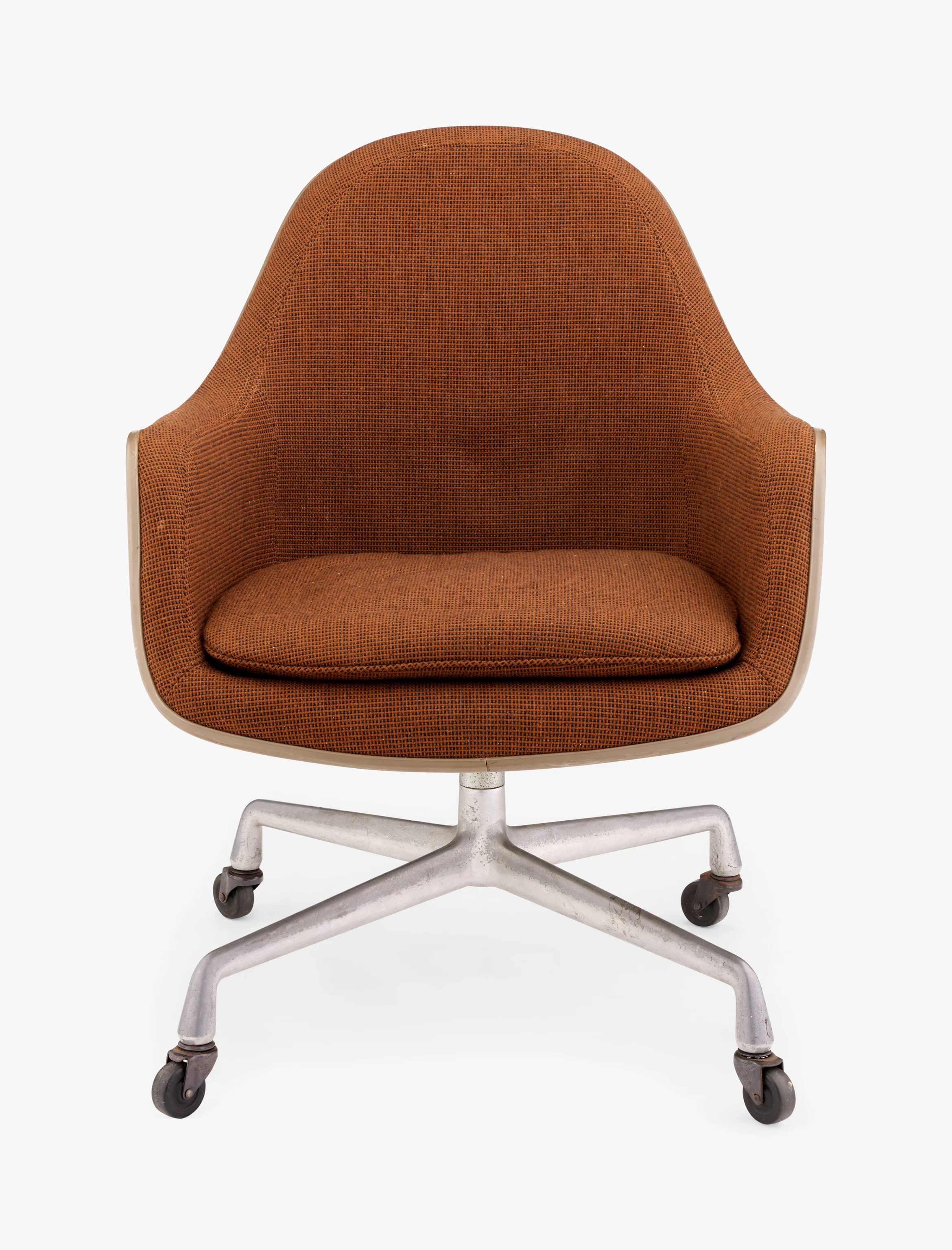
EC178 Office Seating Prototype
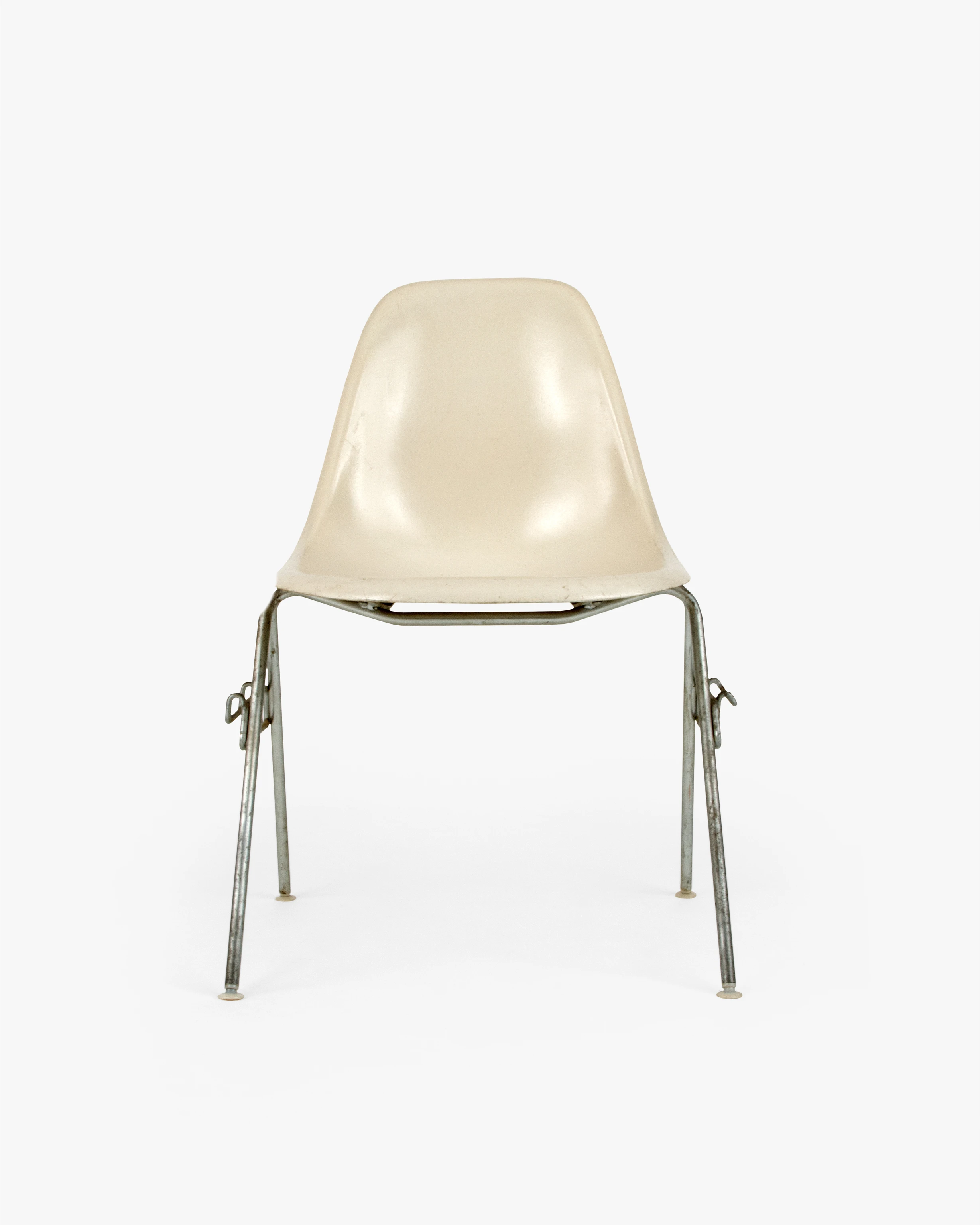
DSS Stacking Side Chair
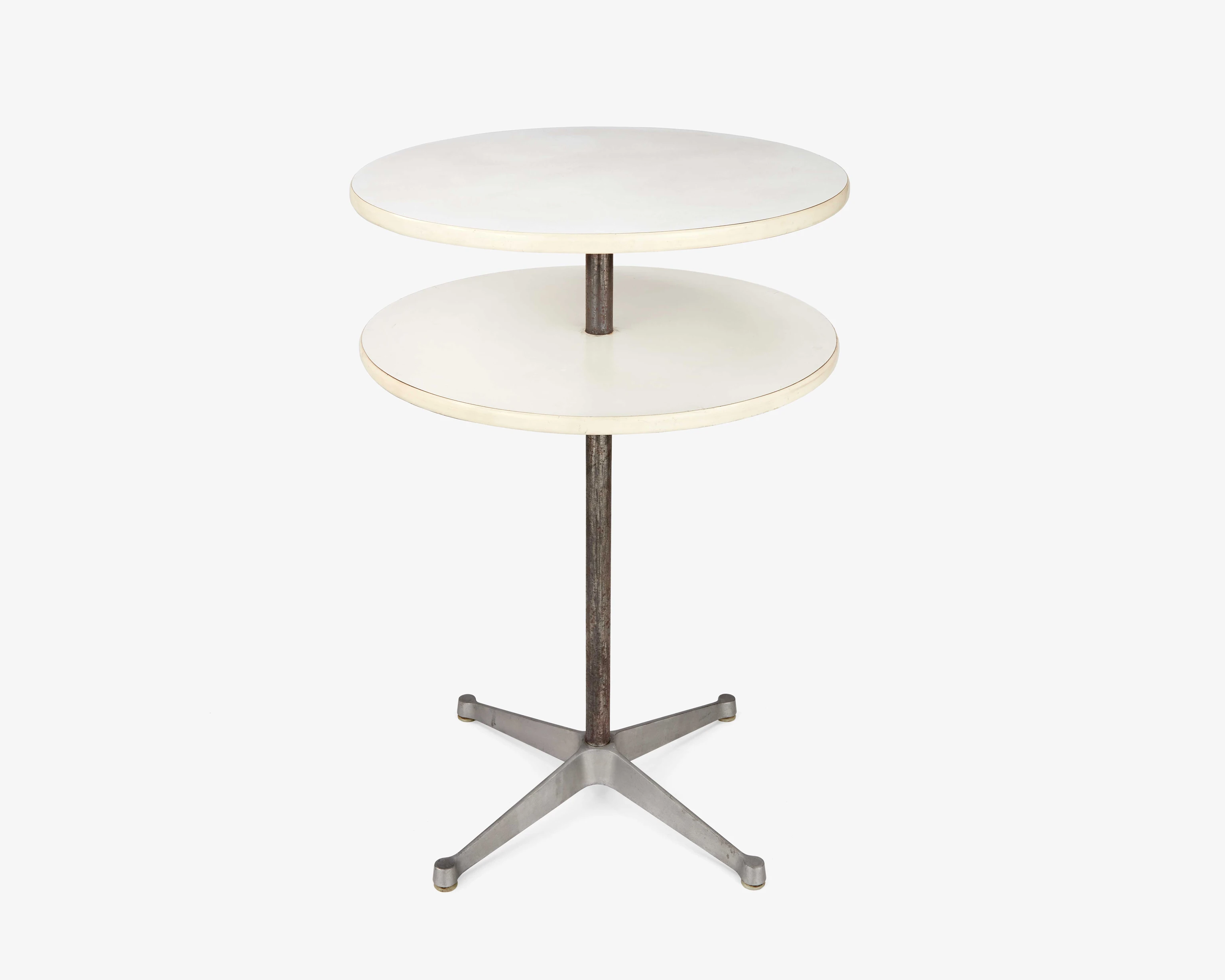
Café Table
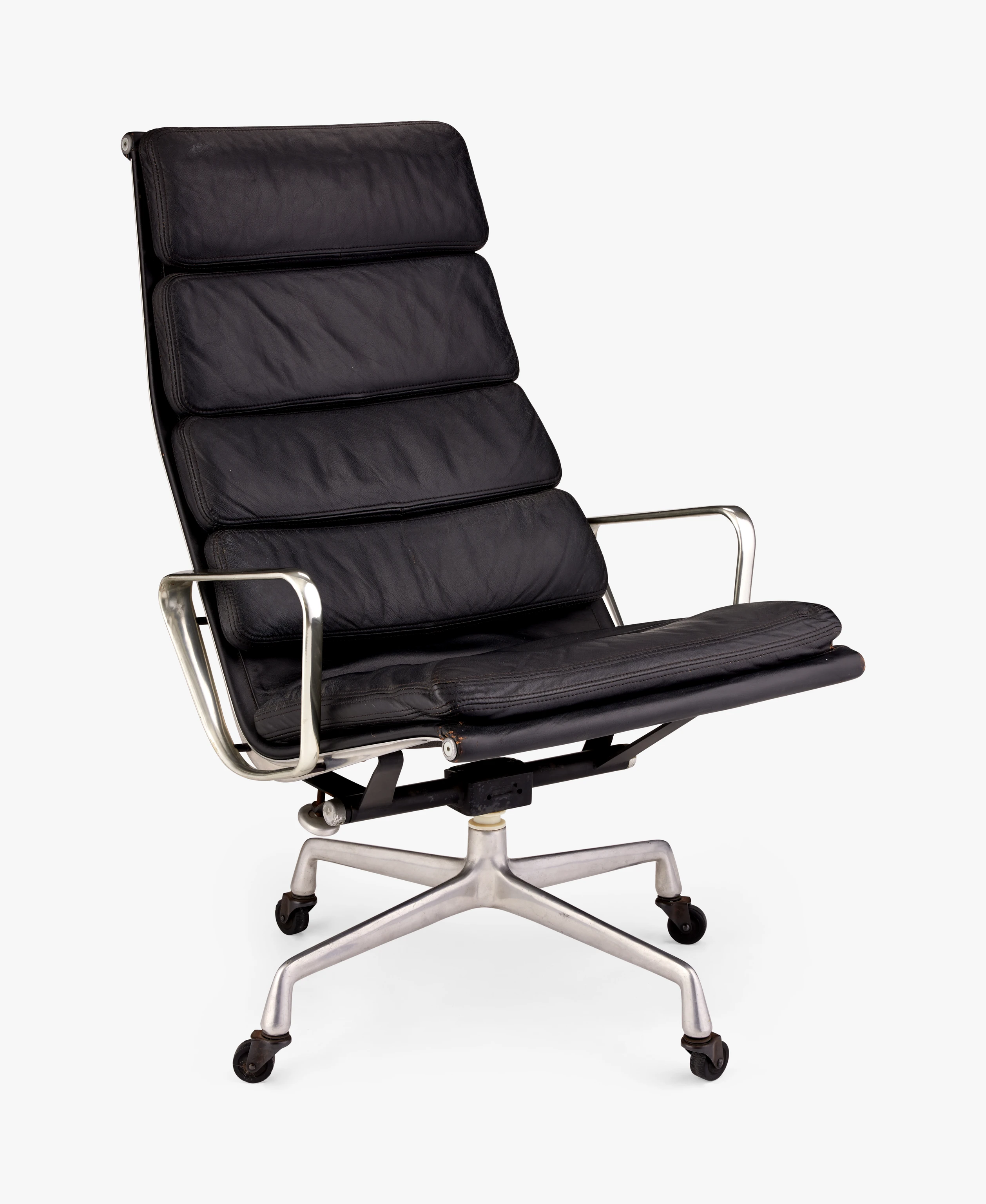
EA422 Tilt-Swivel Reclining Lounge Chair (with Casters)
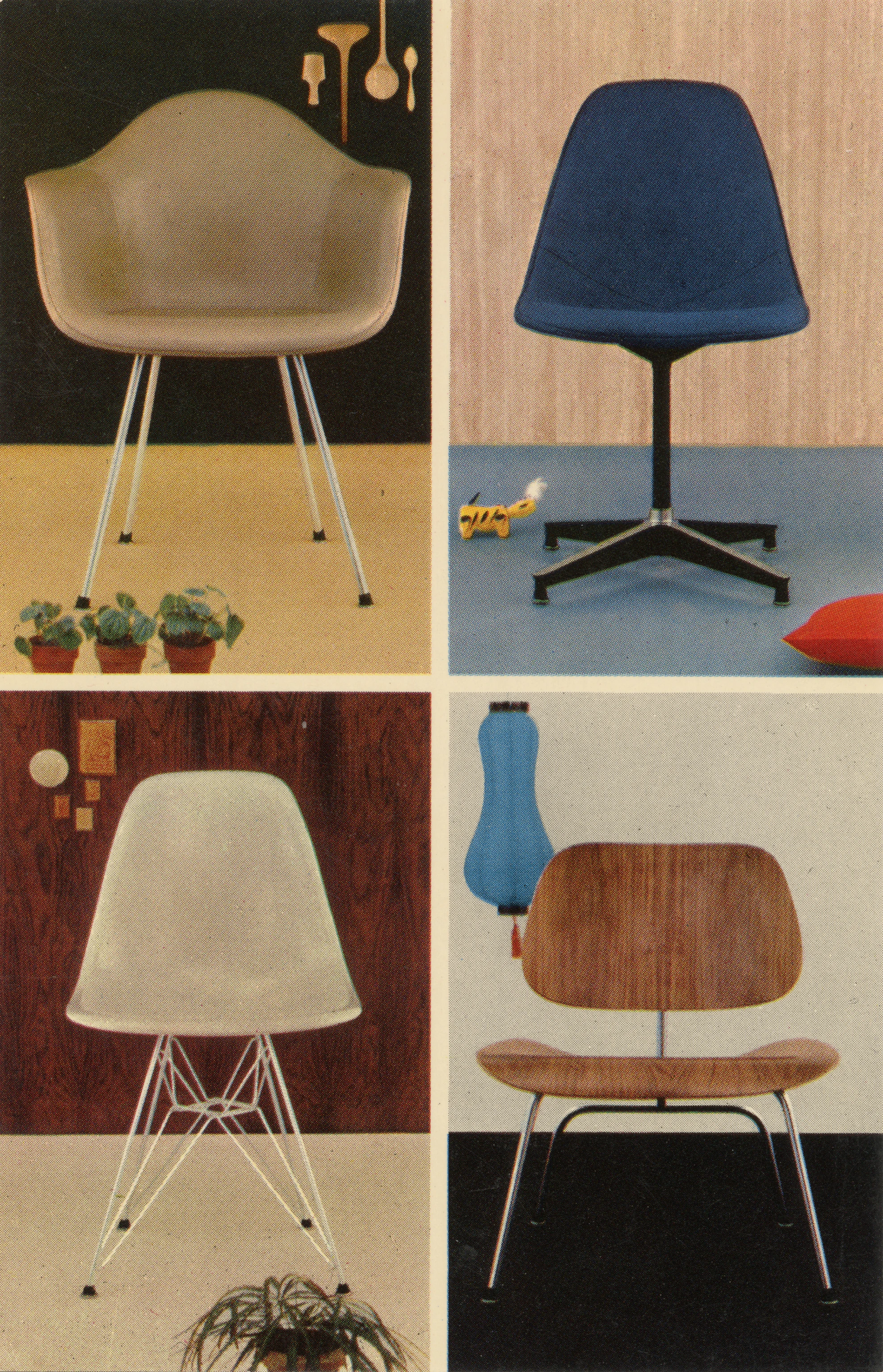
“Chairs Designed by Charles Eames” Postcard
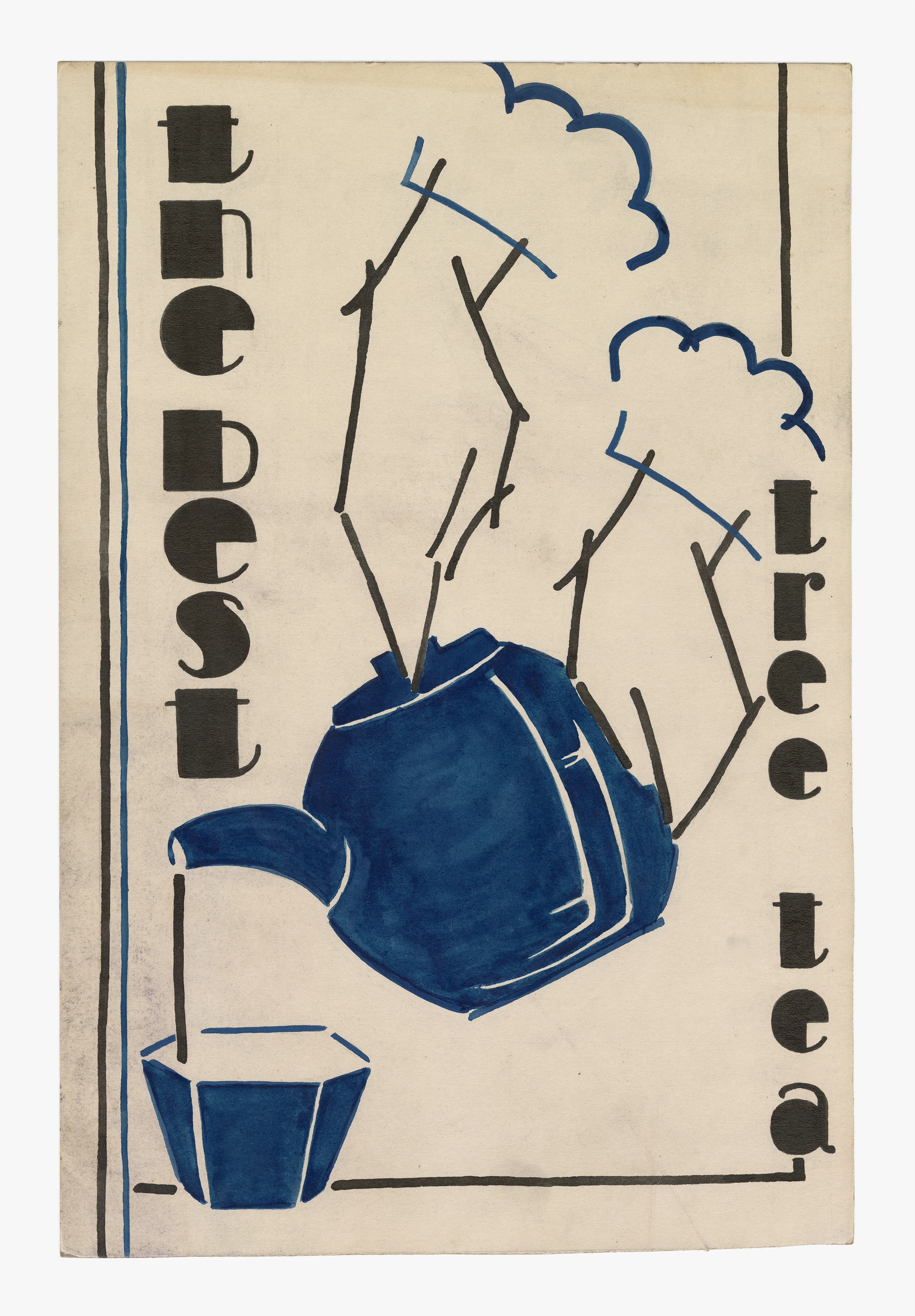
“The Best Tree Tea” Illustration
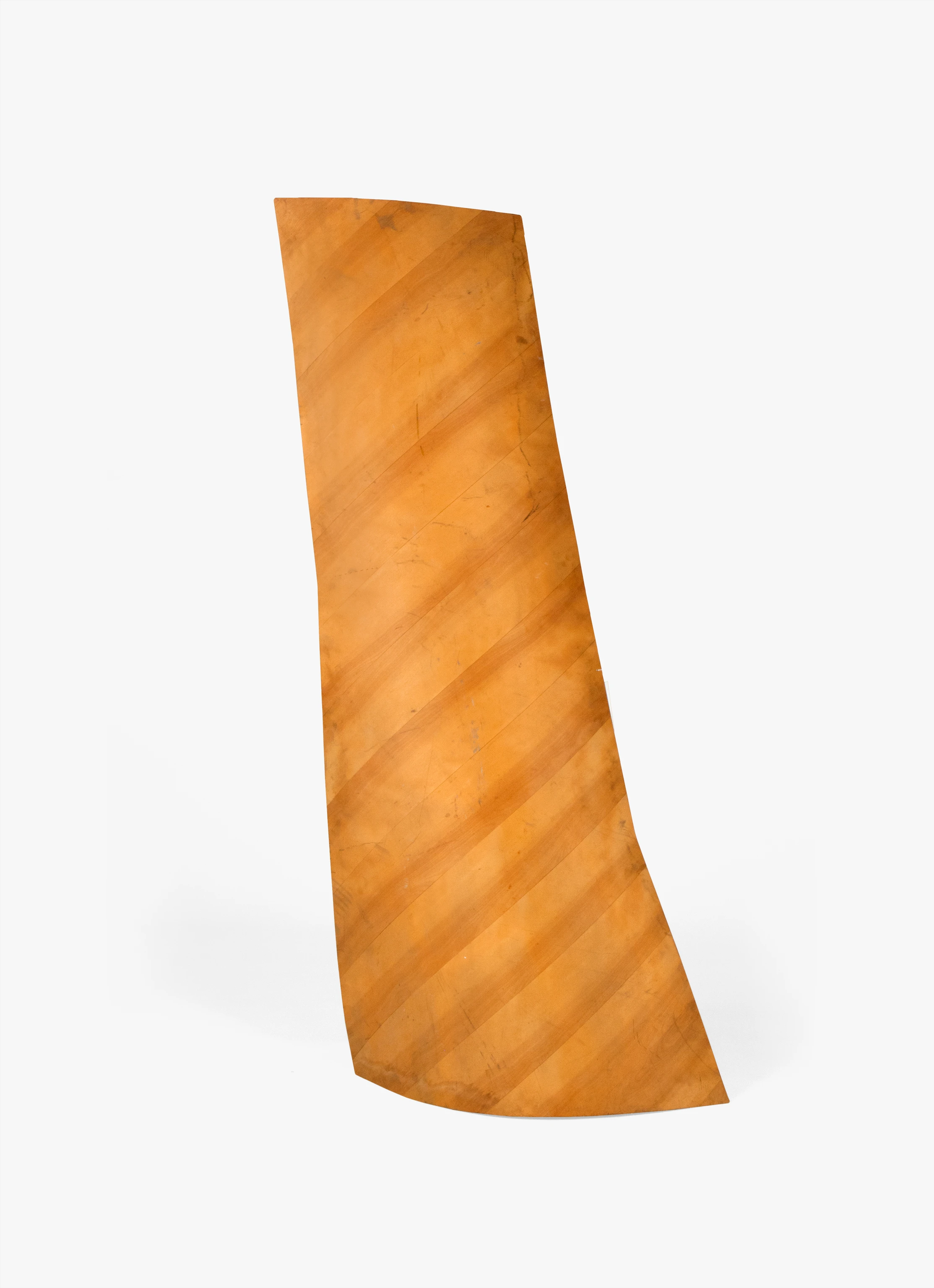
Airplane Rudder Skin
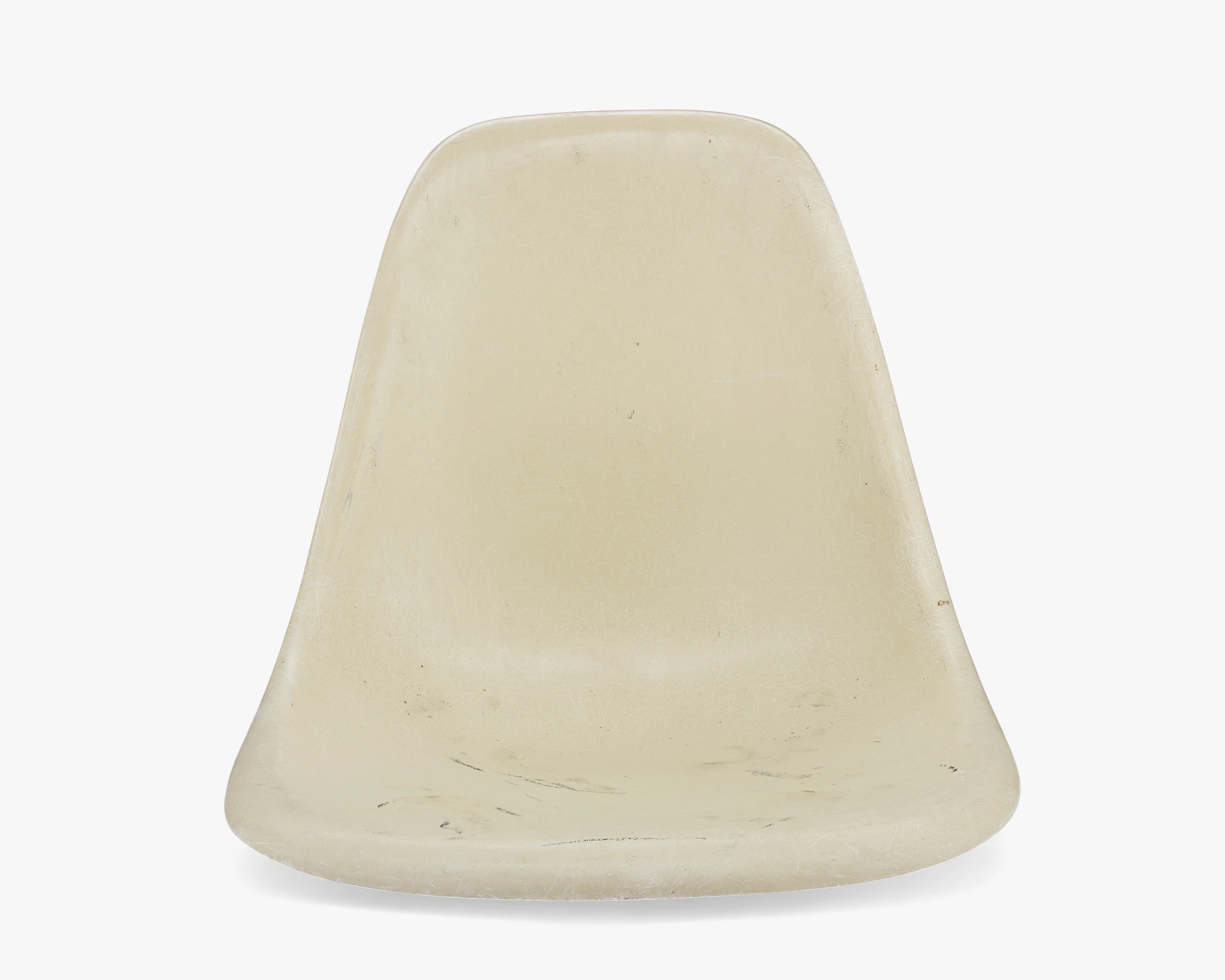
Fiberglass Side Shell
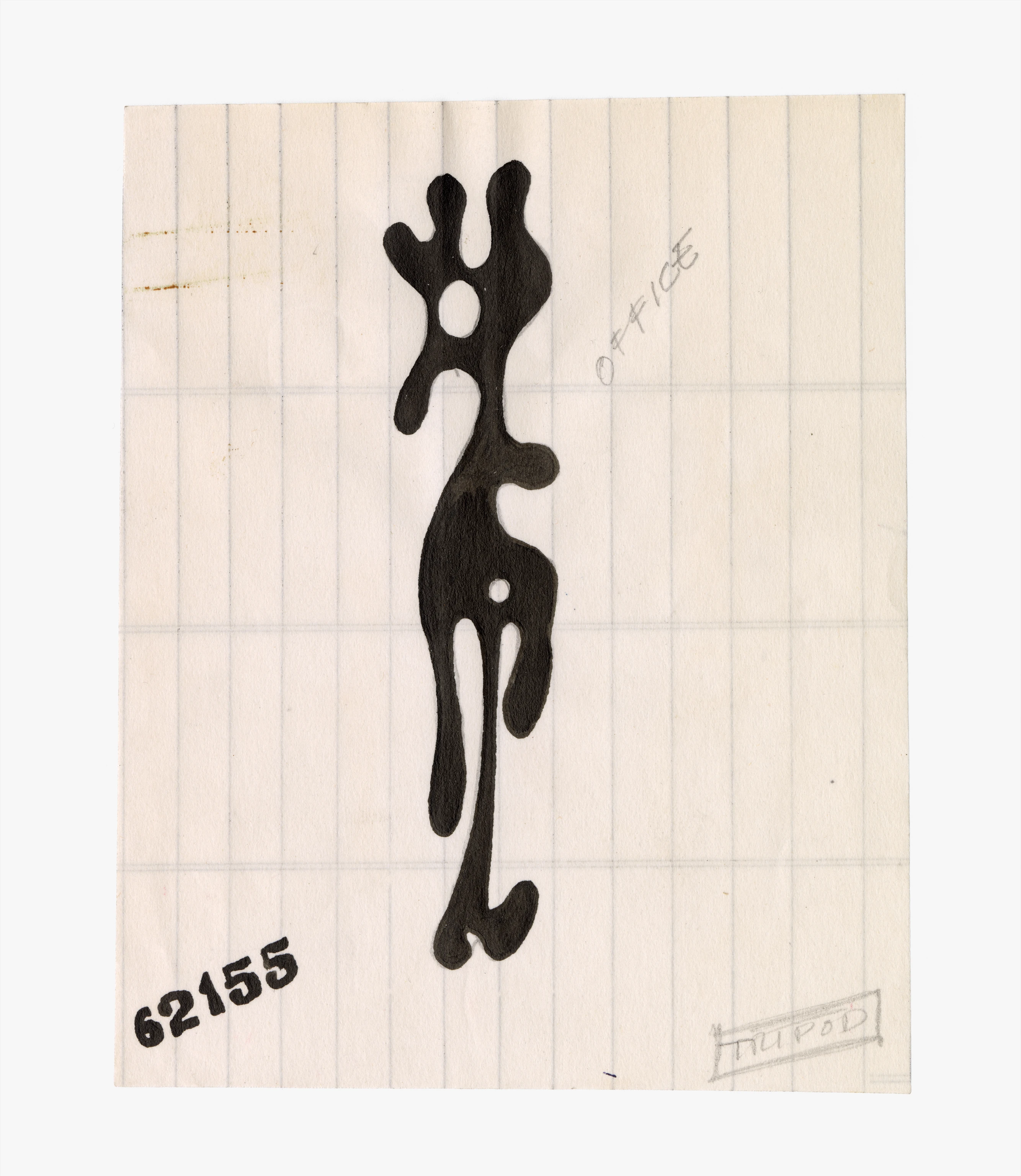
Study for Leg Splint Sculpture
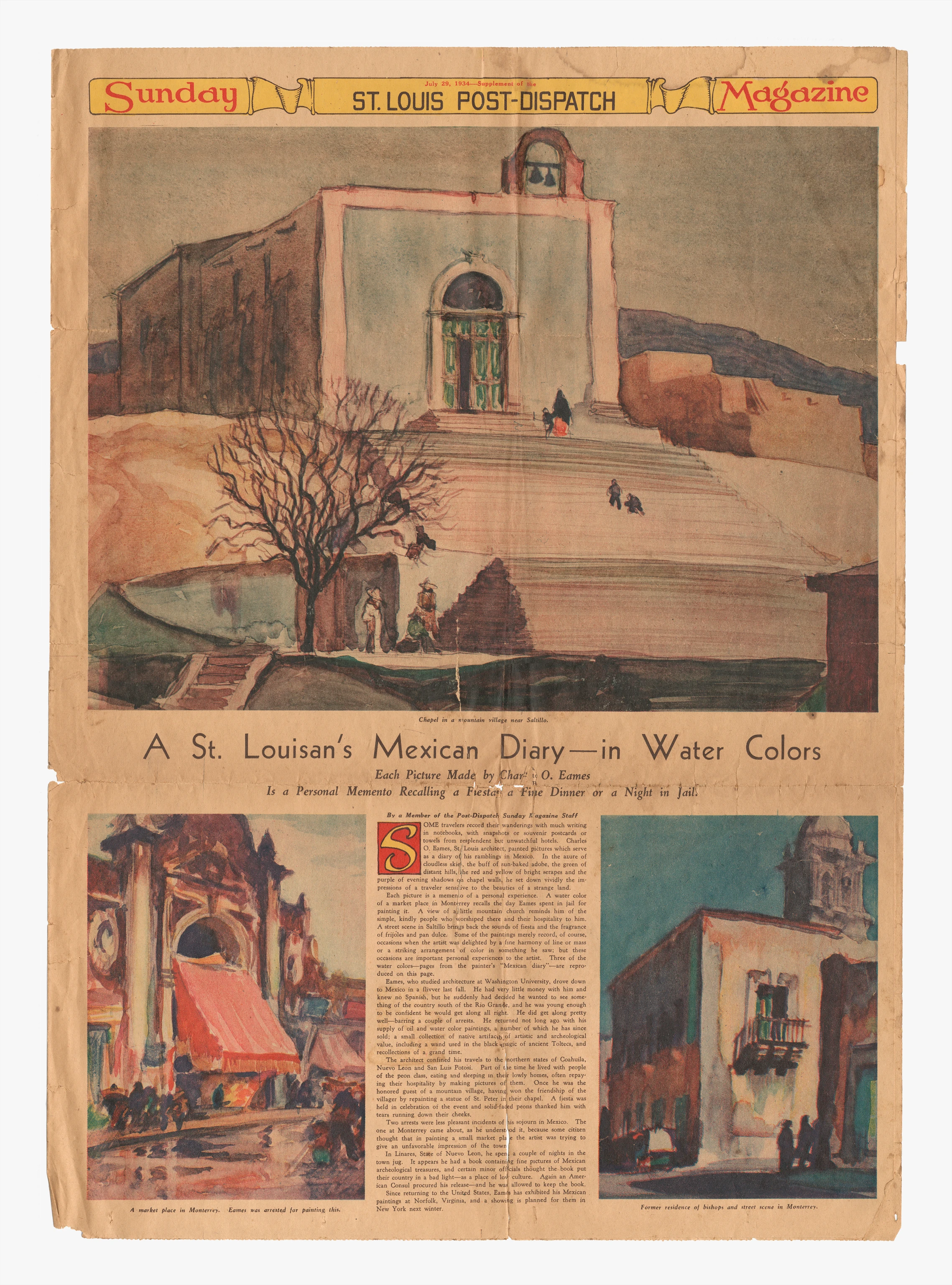
“A St. Louisan’s Mexican Diary—in Water Colors”,
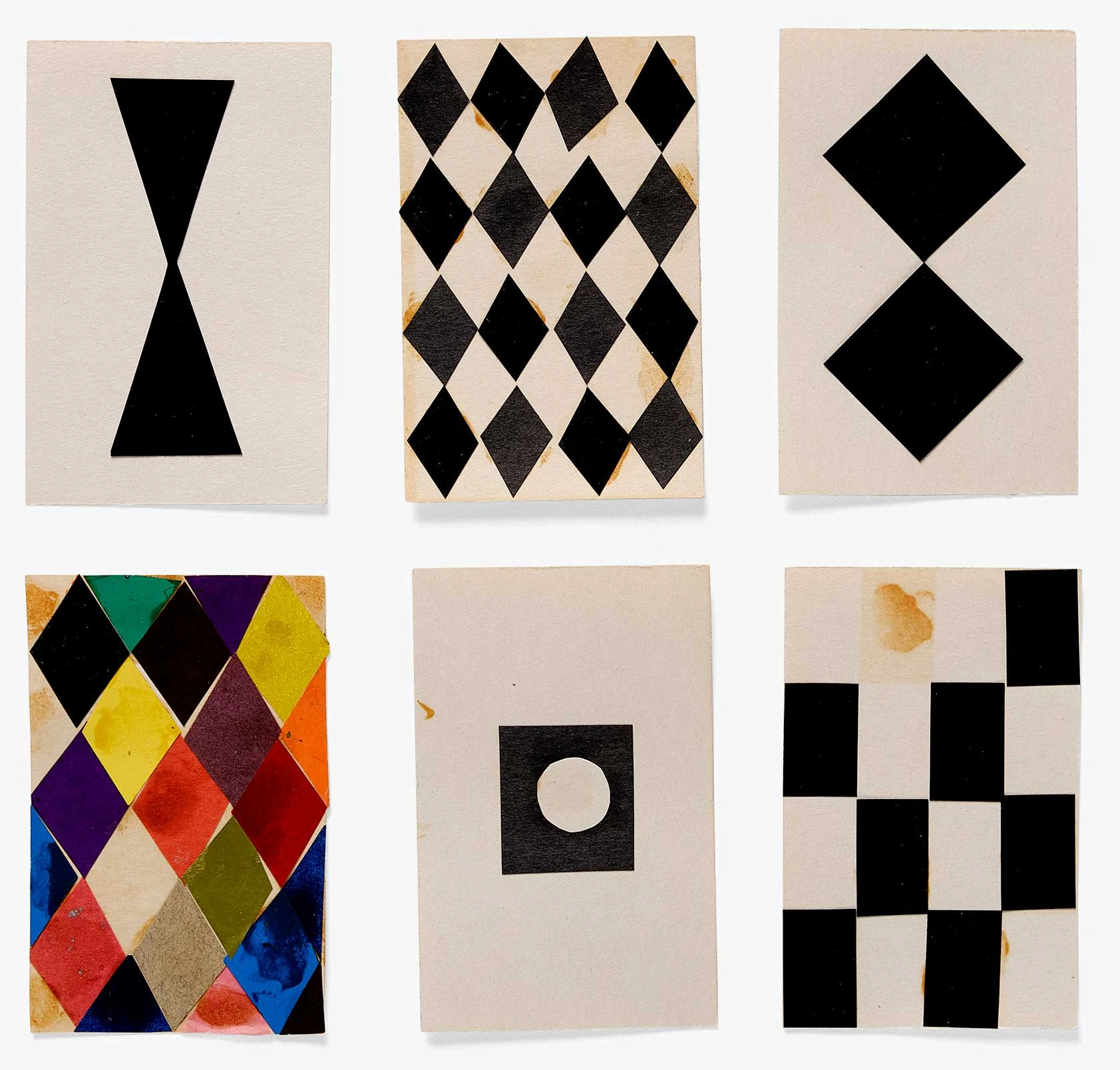
House of Cards Mock-up Process (Diamond Cards)

ES108 Eames Sofa
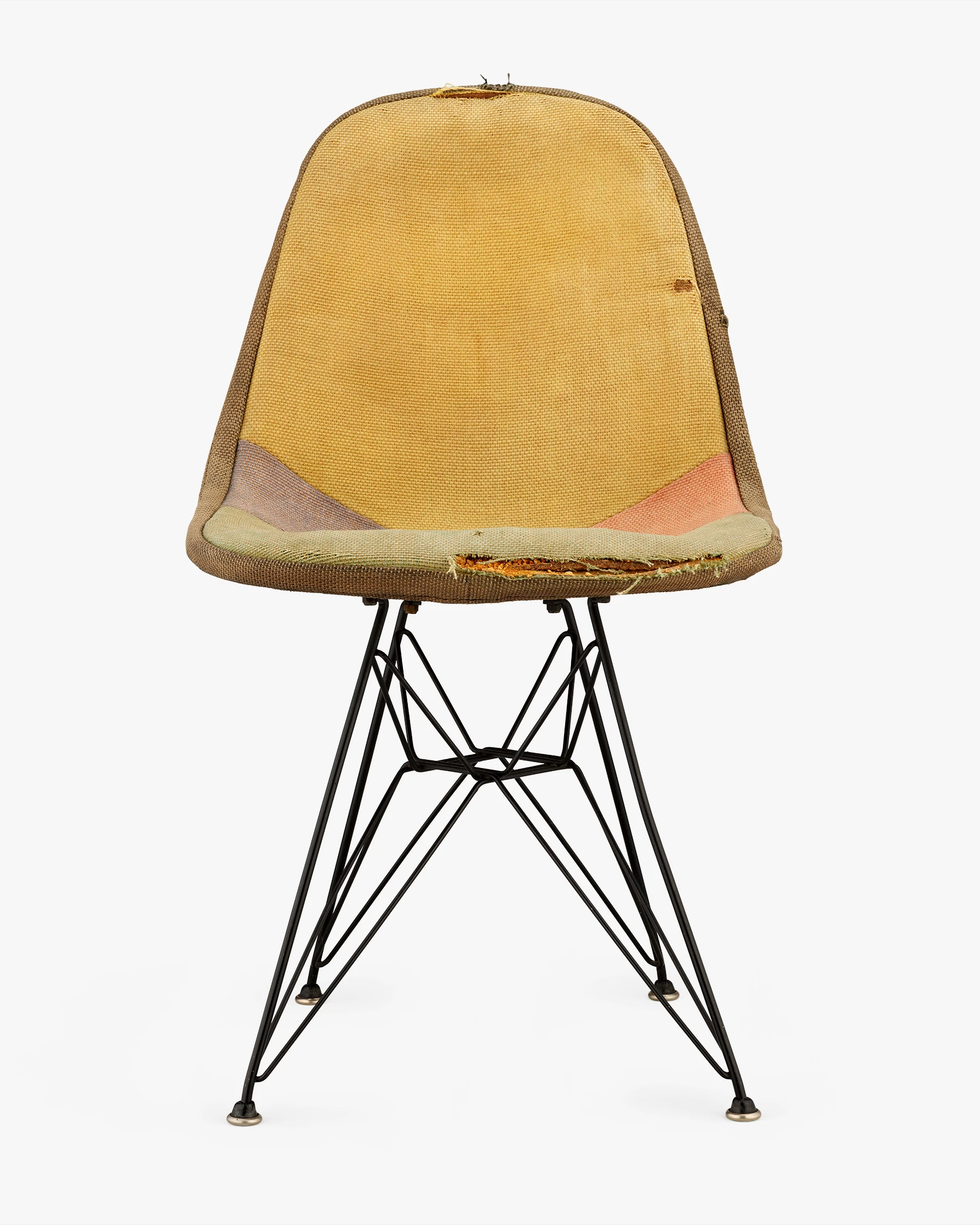
DKR-1 “C” Upholstered Wire Chair

670 Lounge Chair
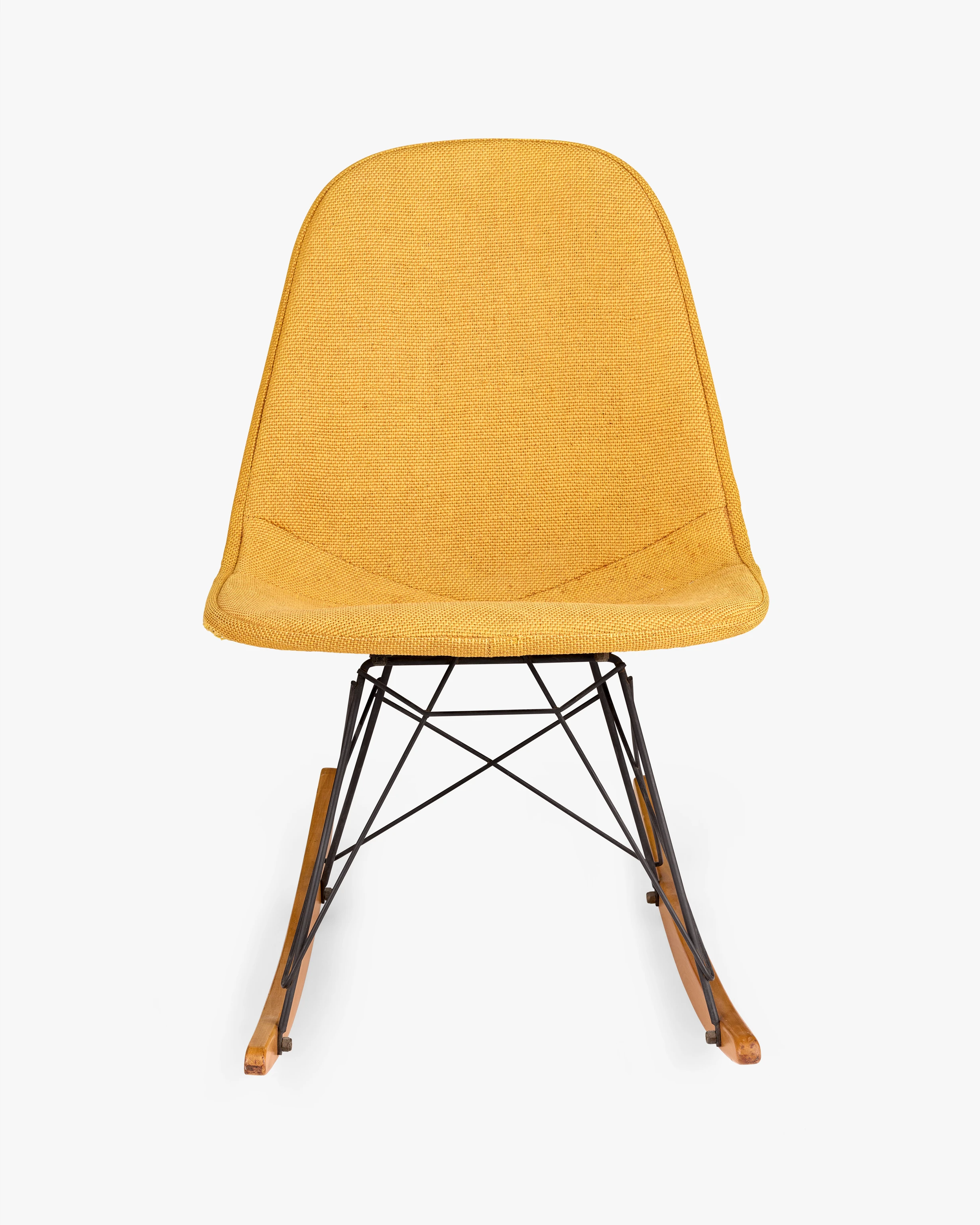
RKR-1 Upholstered Rocking Chair
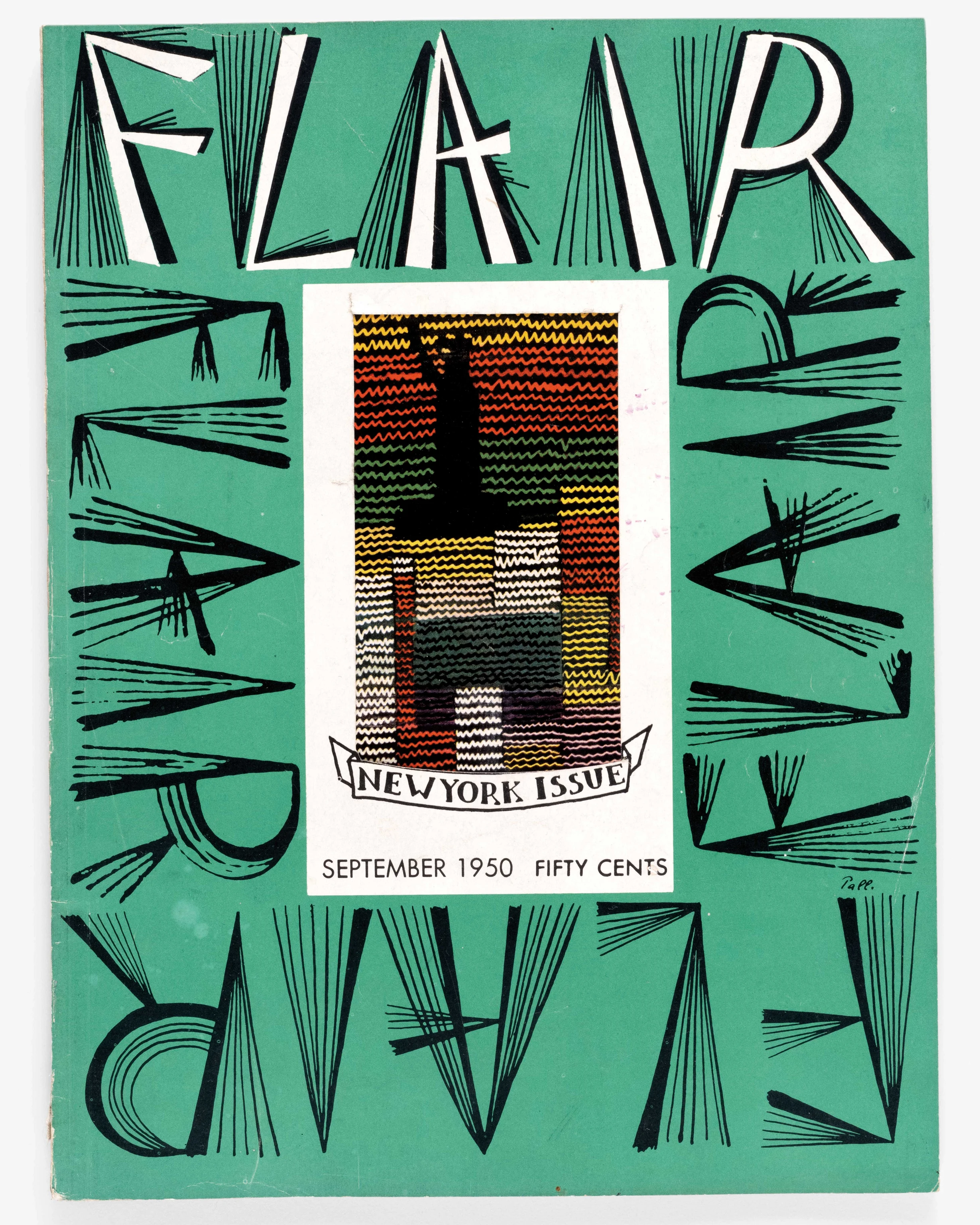
“The City,” Flair Magazine

American Abstract Artists Exhibition Catalog, 1939
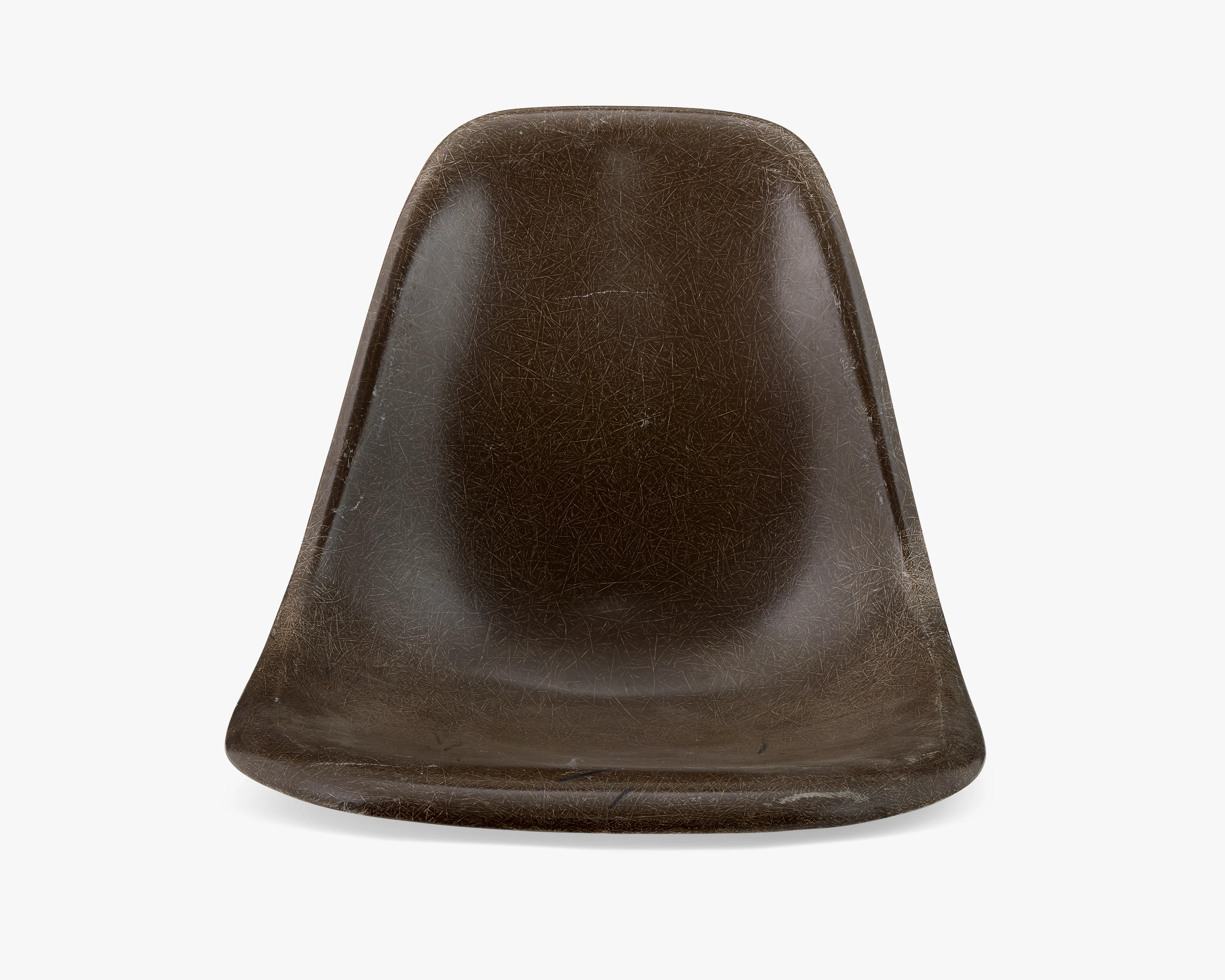
Fiberglass Side Shell
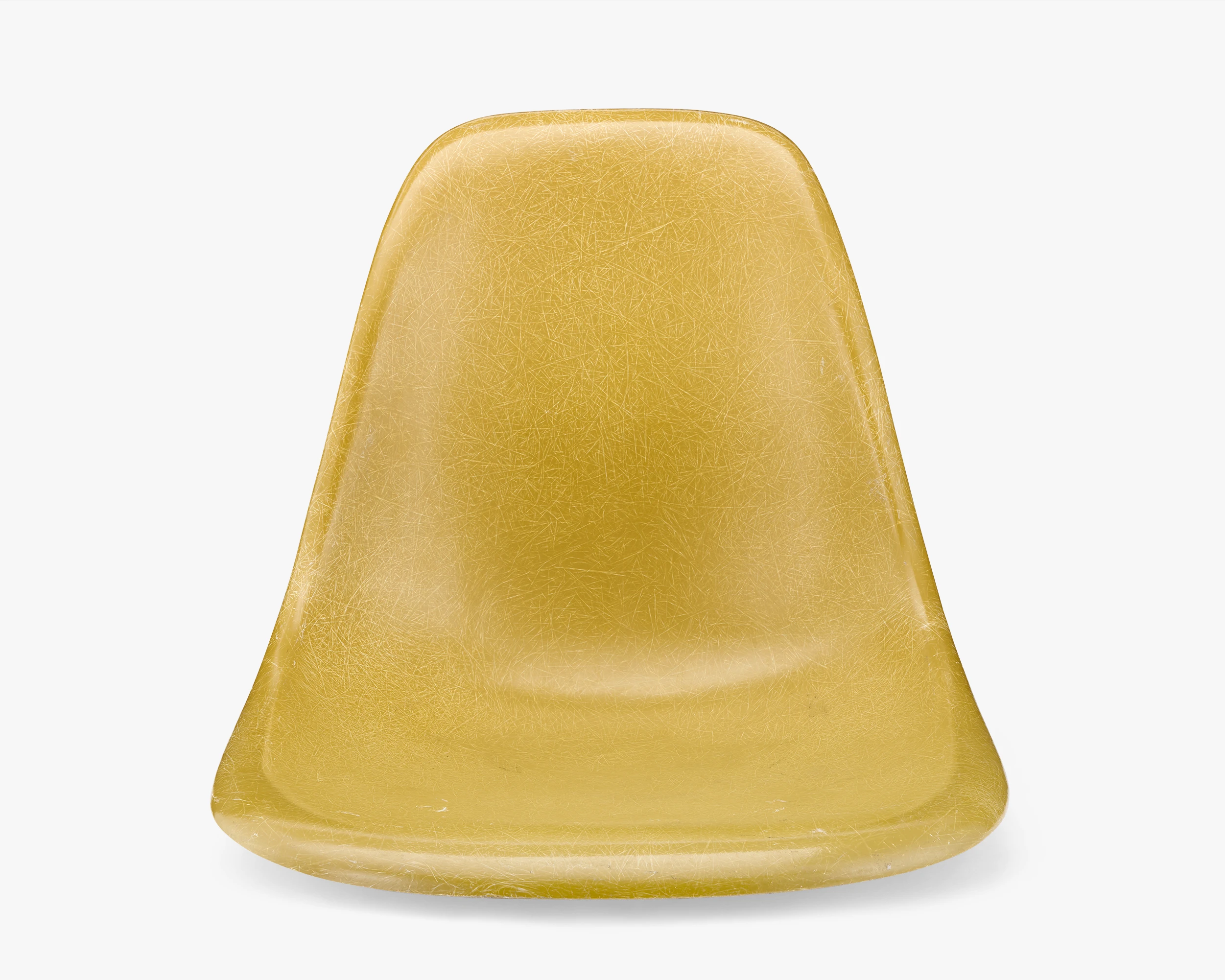
Fiberglass Side Shell
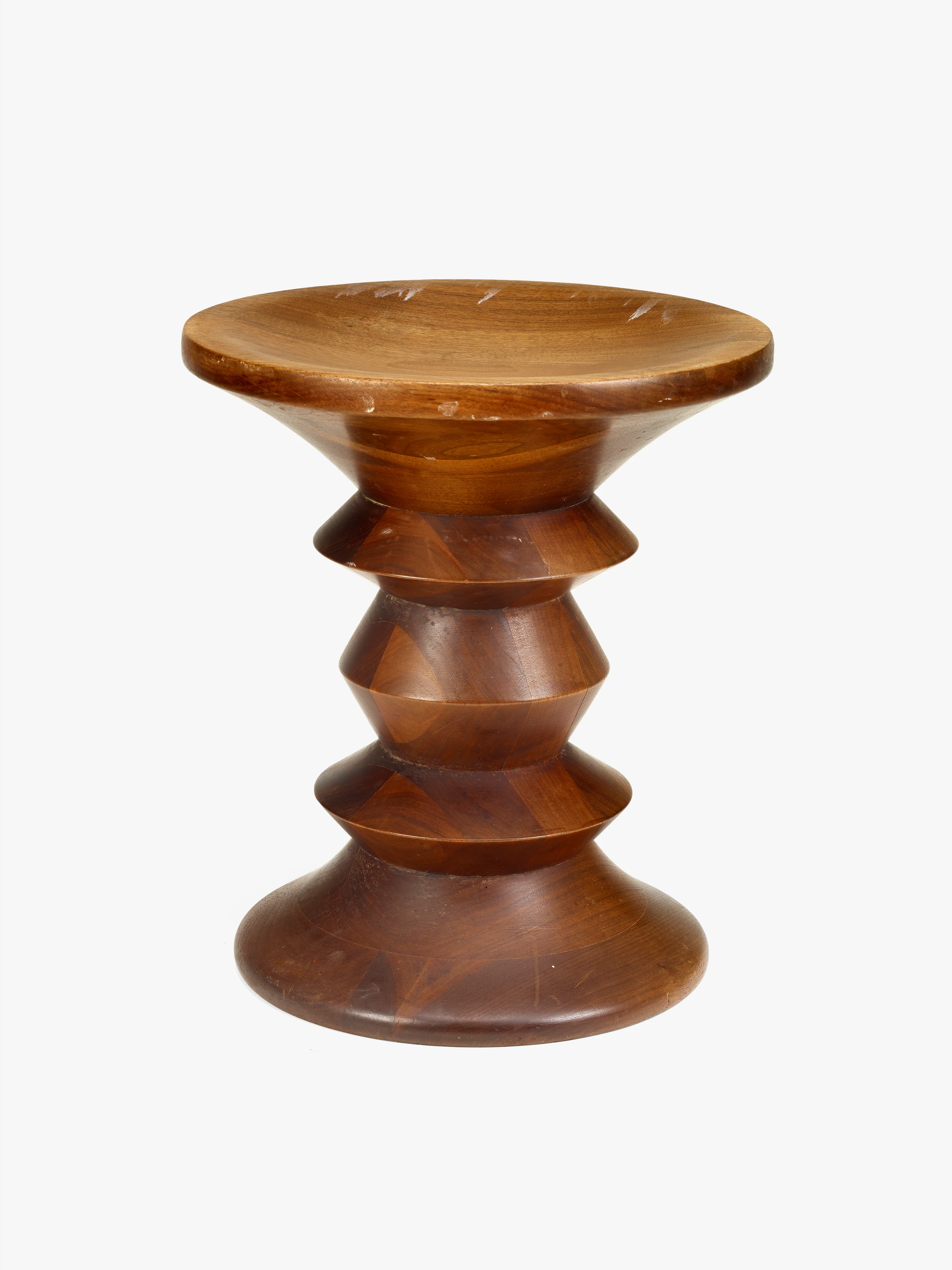
Walnut Stool, 413
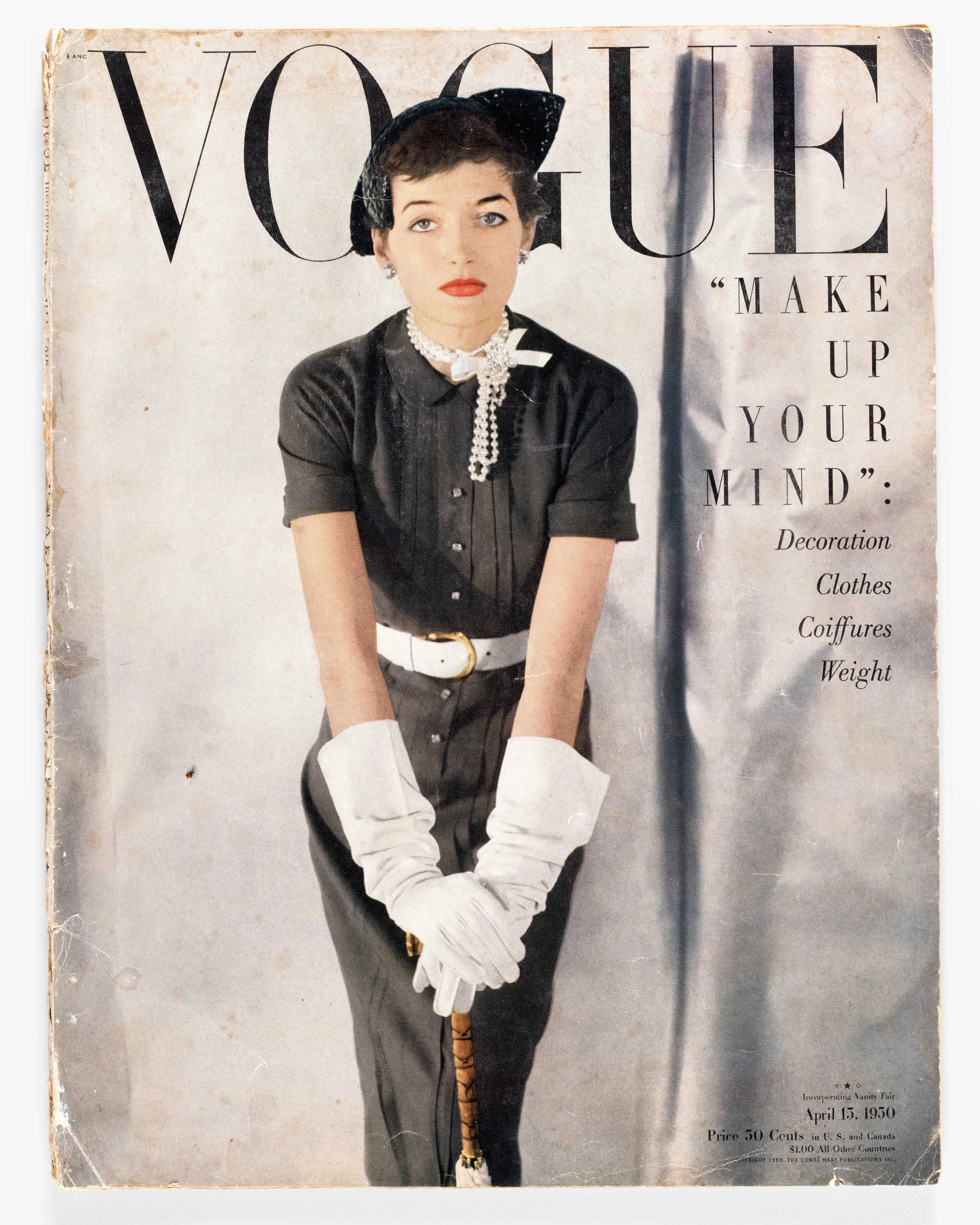
“The Unembarrassed Mind,” Vogue Magazine
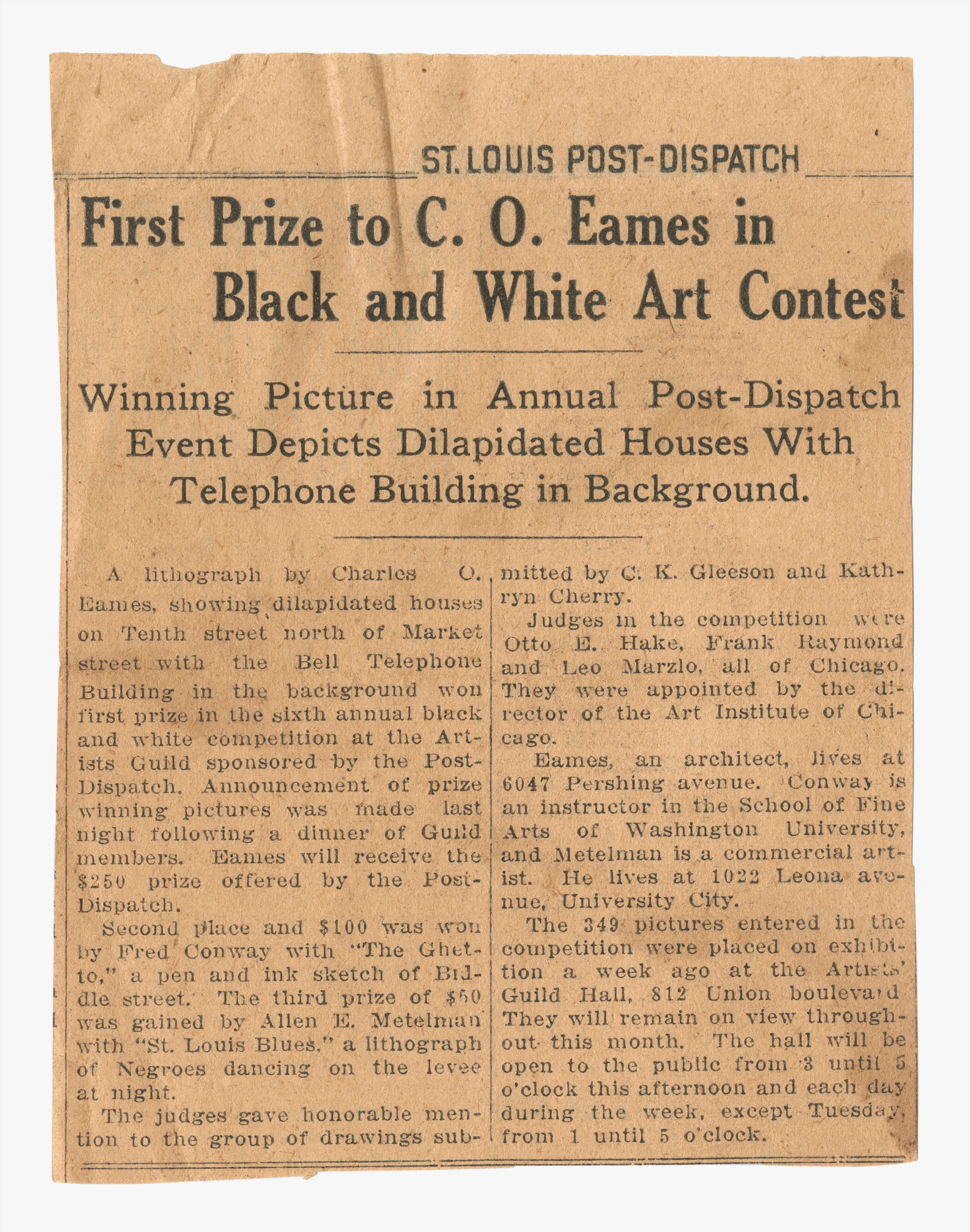
St. Louis Post-Dispatch Clippings
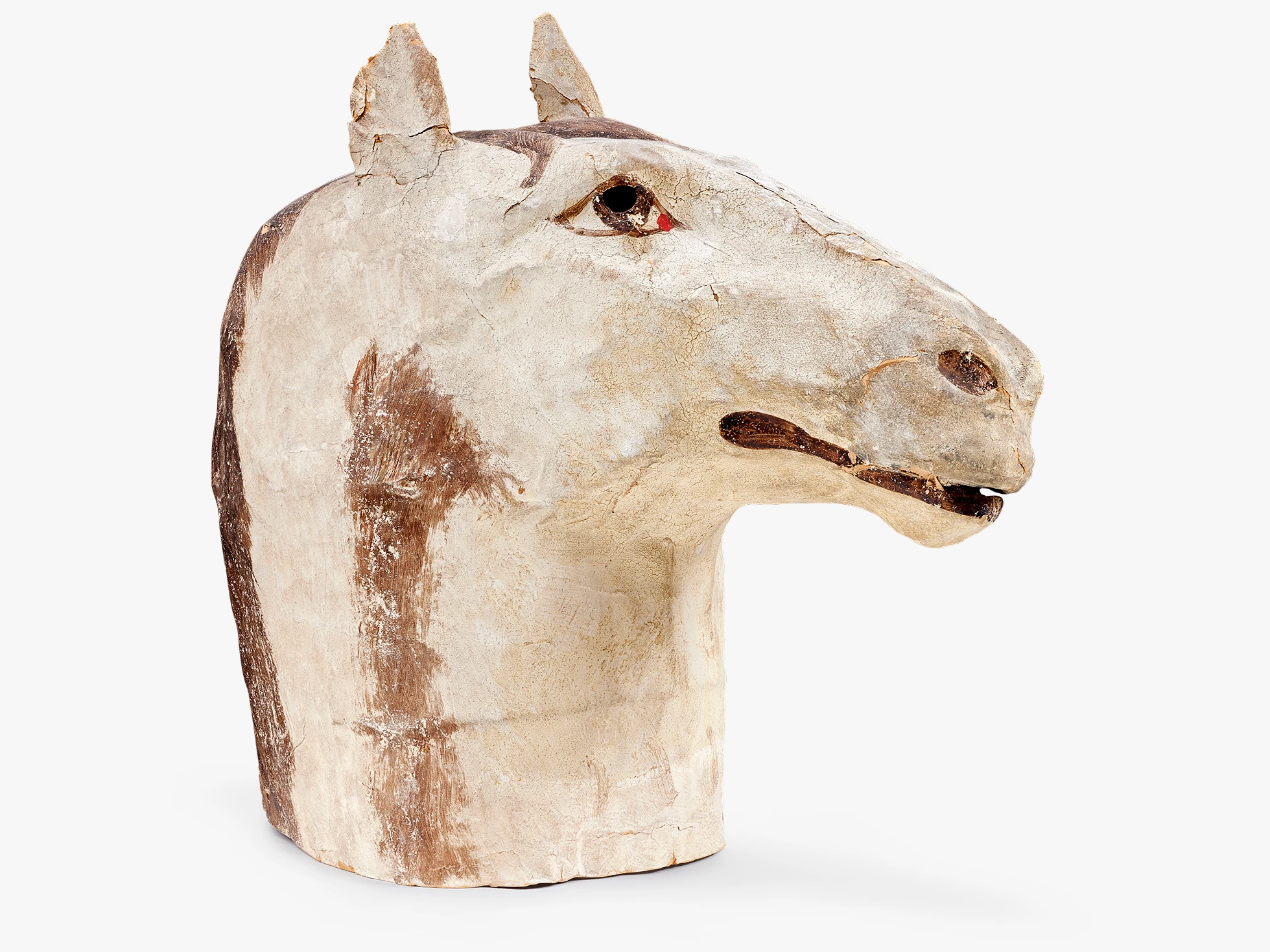
White Horse Mask
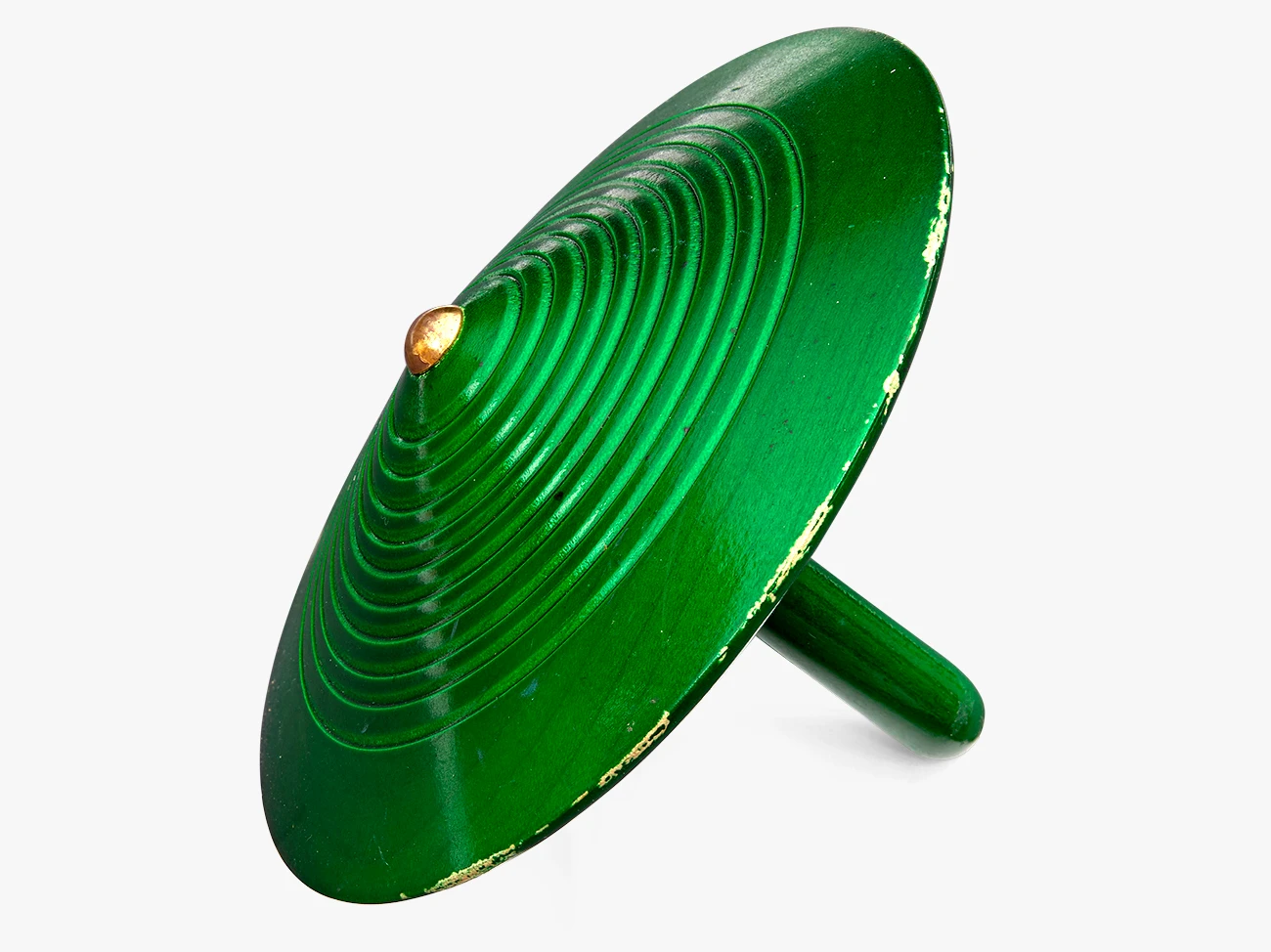
Swiss Top
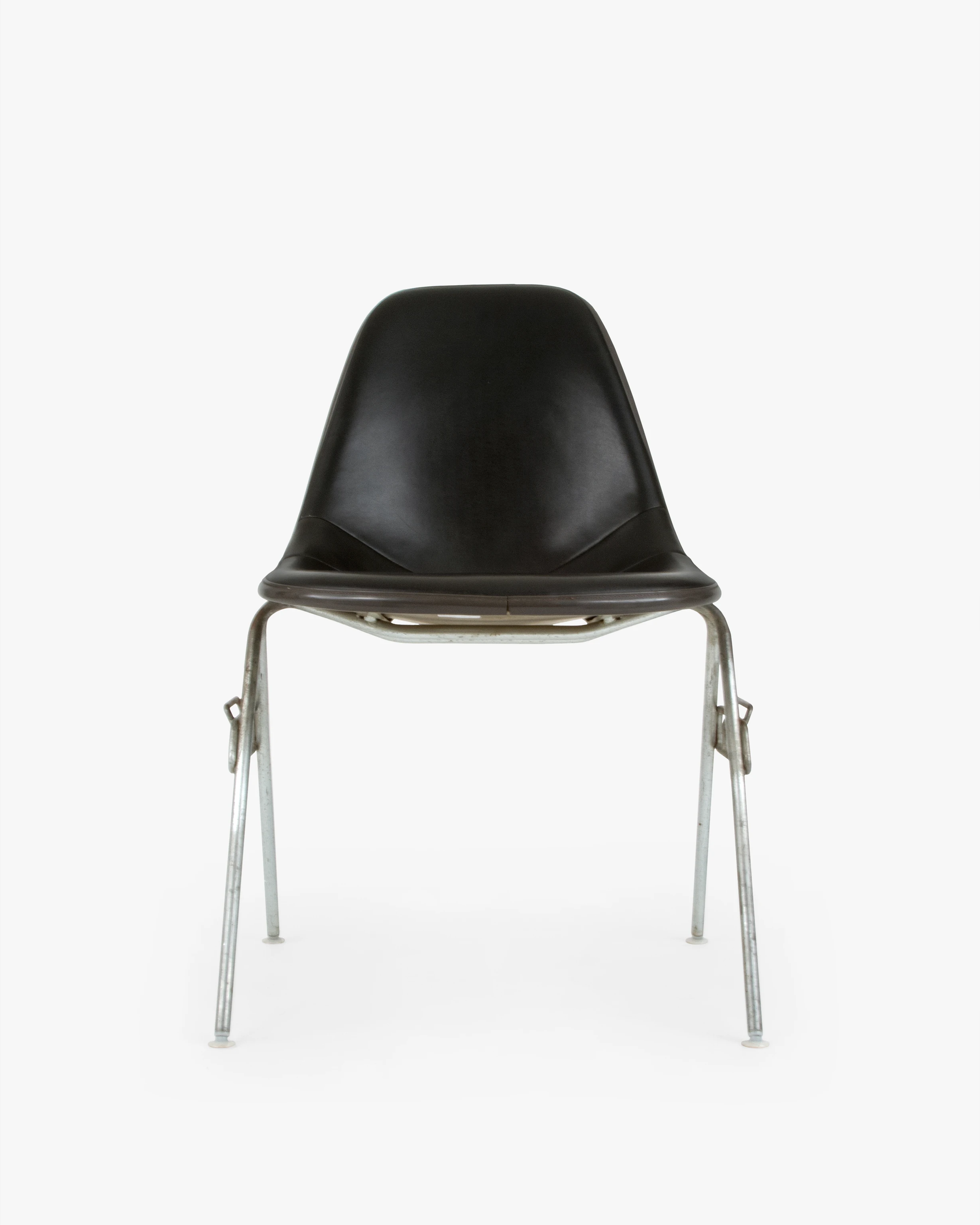
DSS-1 Stacking Side Chair
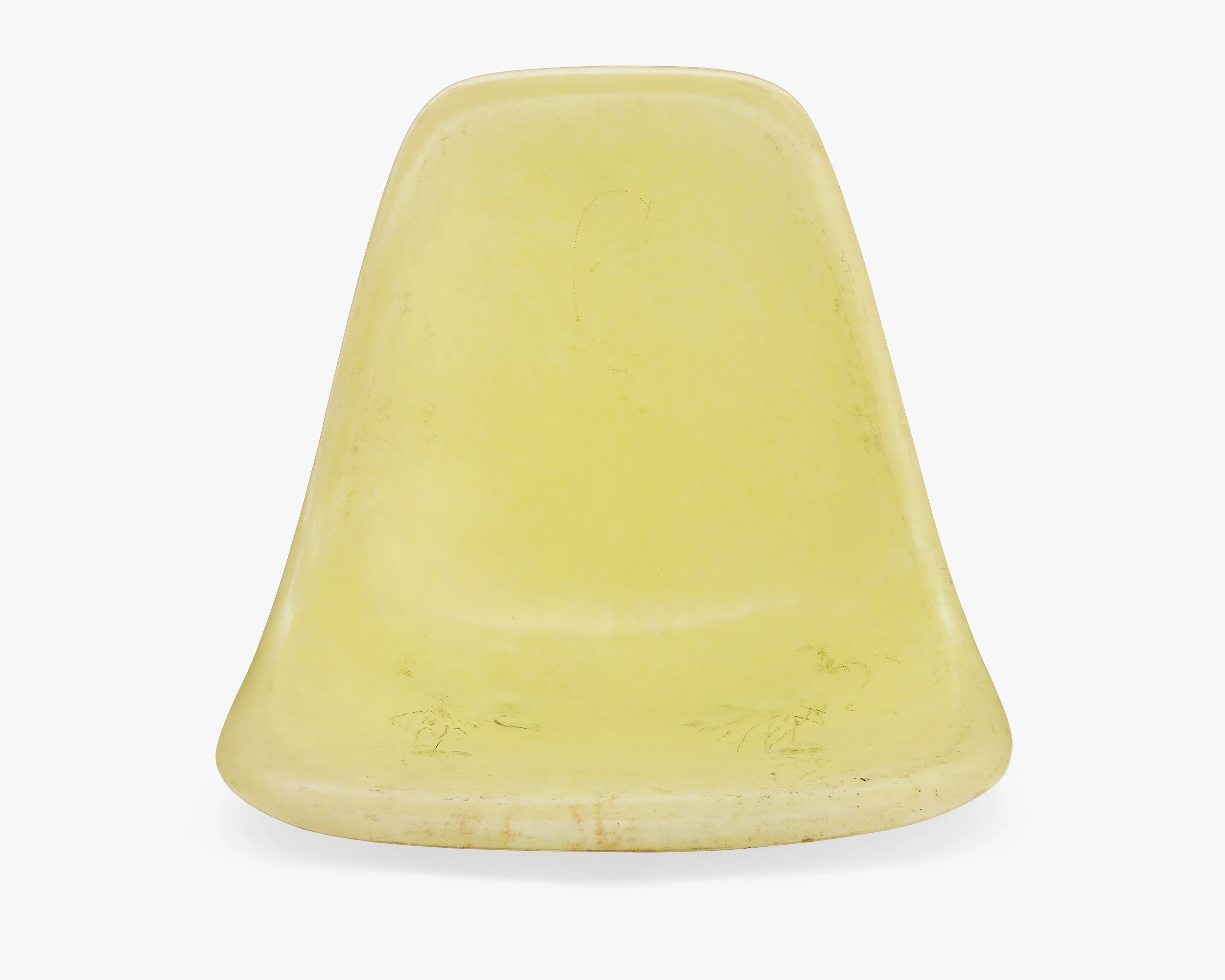
Fiberglass Side Shell
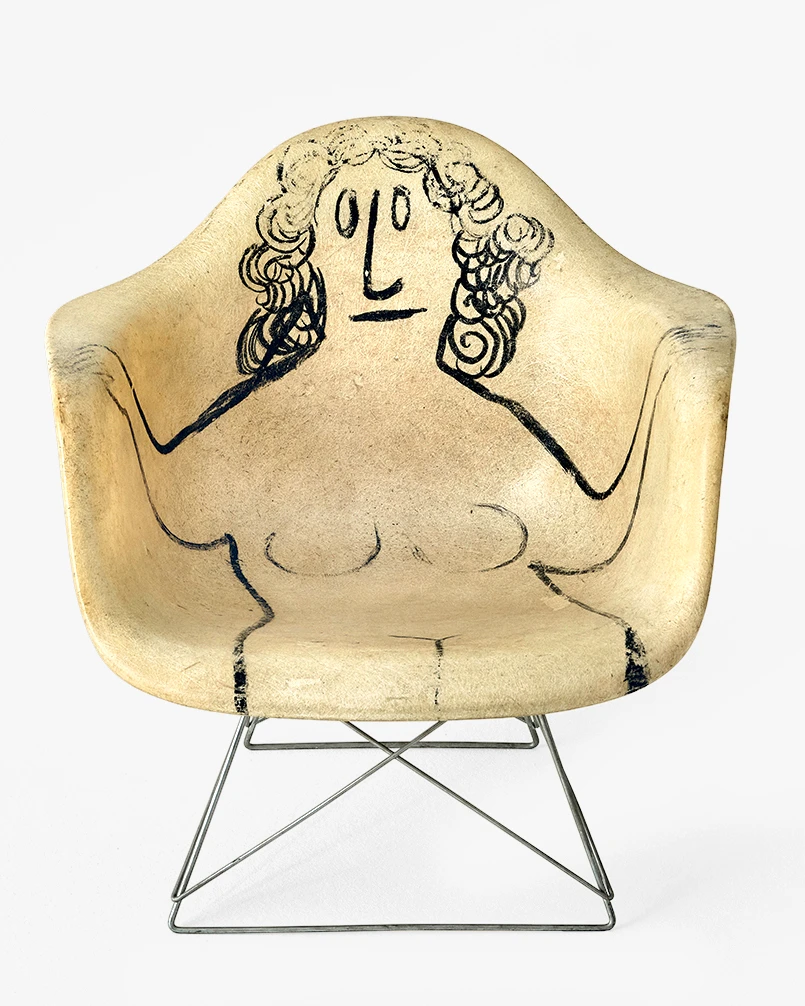
Fiberglass Armchair with Steinberg Nude
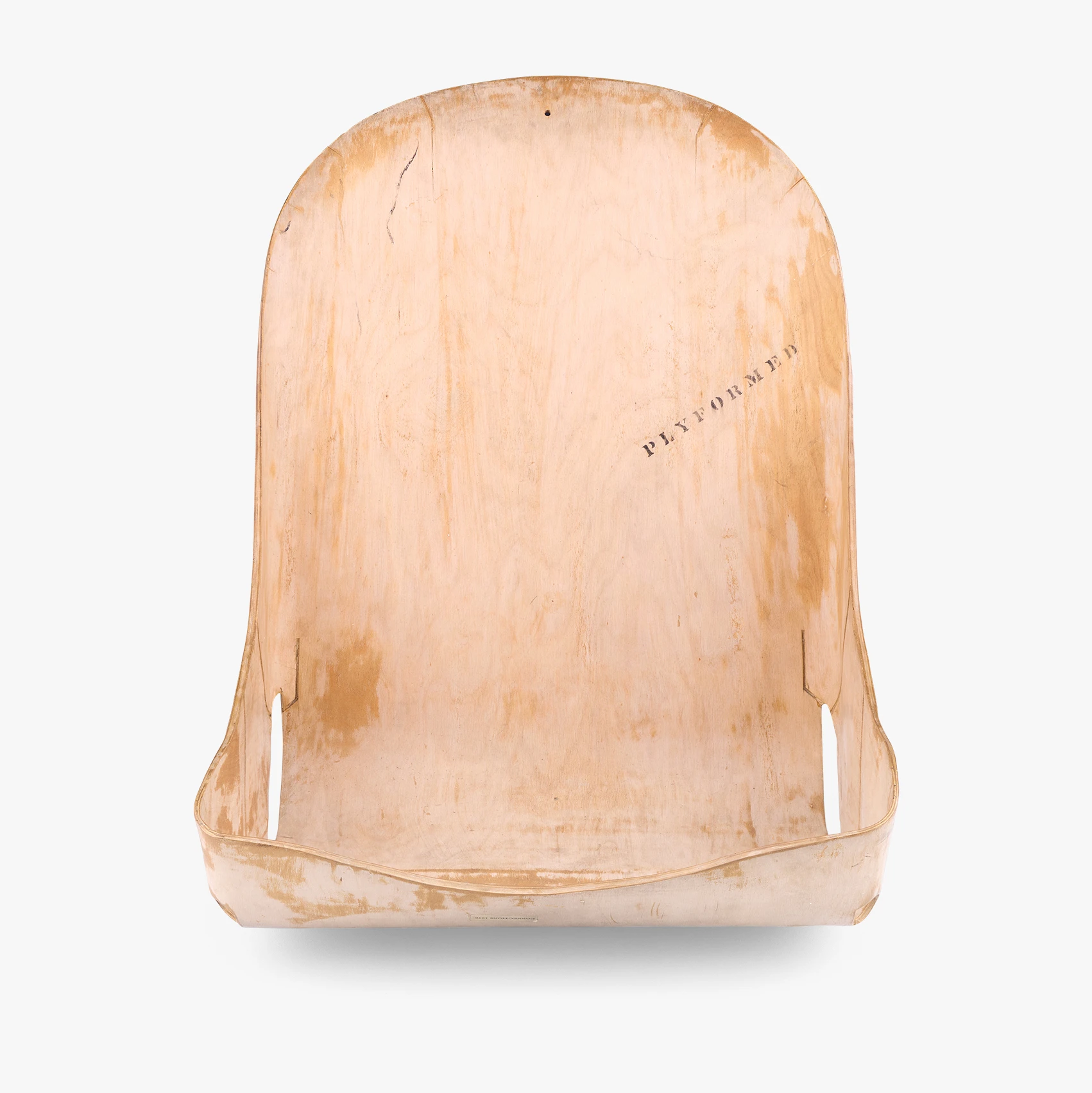
Airplane Pilot’s Seat
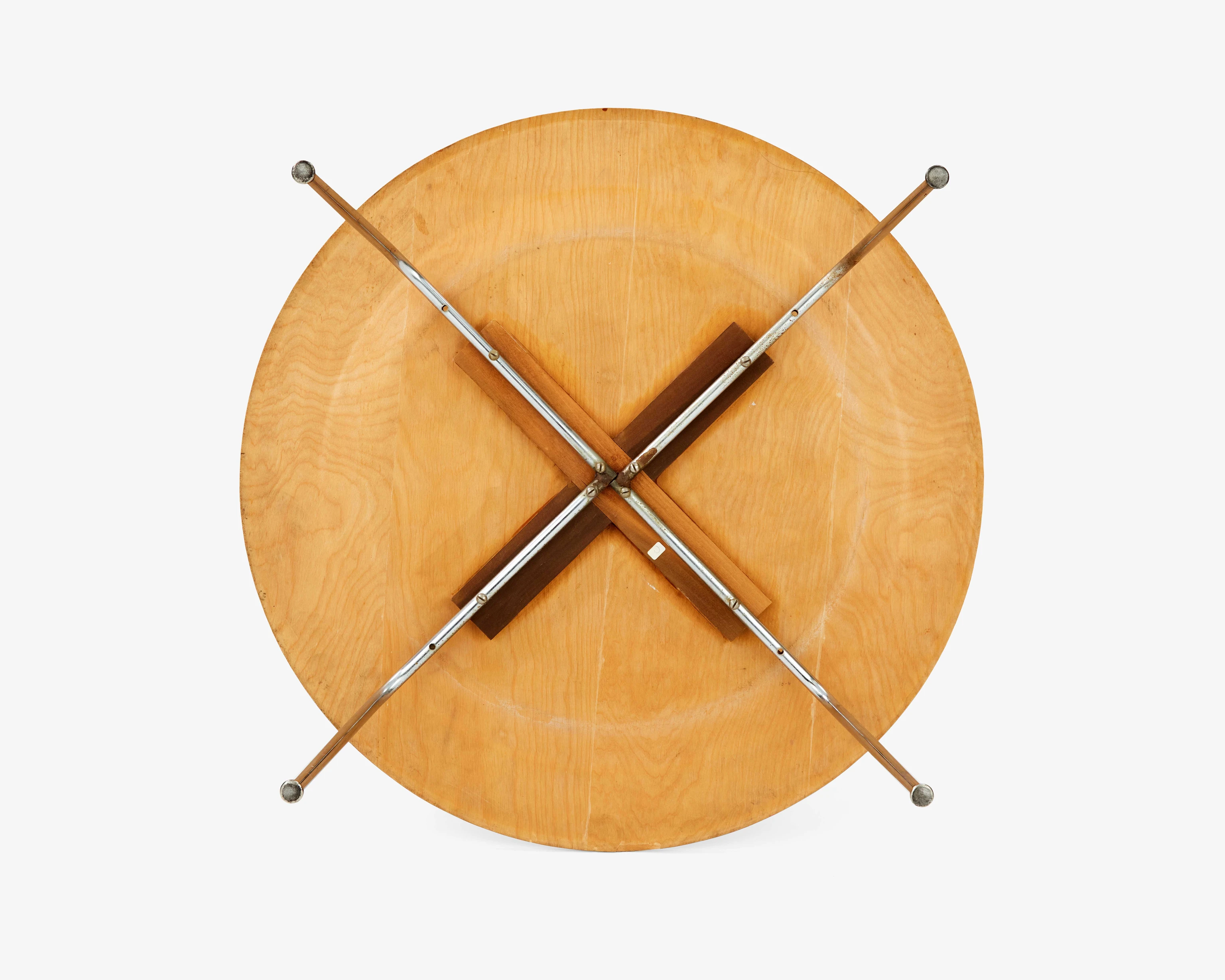
CTM (Coffee Table Metal)
The Eames Collection contains more than 40,000 objects spanning the expansive creative practice of Ray and Charles Eames. Drawn largely from the Eames Office at 901 Washington Boulevard in Venice, California, the holdings—which the Eames family asked the Institute to safeguard—include one-of-a-kind design prototype parts and pieces, early examples of their iconic furniture, extensive photographs, correspondence, tools, ephemera, and personal artifacts collected over decades of experimentation, travel, and collaboration. Together, these materials provide the world’s most intimate view into the Eameses’ work, which shaped, and continue to shape, modern design across furniture, architecture, exhibition design, film, and visual communications.
The Collection exists today because Lucia Eames as the owner and Llisa Demetrios as registrar spent decades caring for and archiving the materials that remained outside institutional archives. Believing Ray and Charles’s iterative process to be as important as their finished work, incredible care has been put into accounting for virtually every piece of material at the closure of the Eames Office in Venice, California. Today, the Eames Institute stewards the Collection through ongoing cataloging, preservation, research, and public engagement, ensuring that this remarkable archive is accessible to current and future generations at the Eames Archives, Eames Ranch, and the Institute’s forthcoming museum, as well as through loans to peer institutions.
In their final years of furniture design, the Eameses reimagined earlier works using new materials and technology to meet the evolving needs of modern workplaces.

The Eameses’ eclectic collection of toys goes beyond fun and games, it also offers a window into the couple’s singular approach to design.
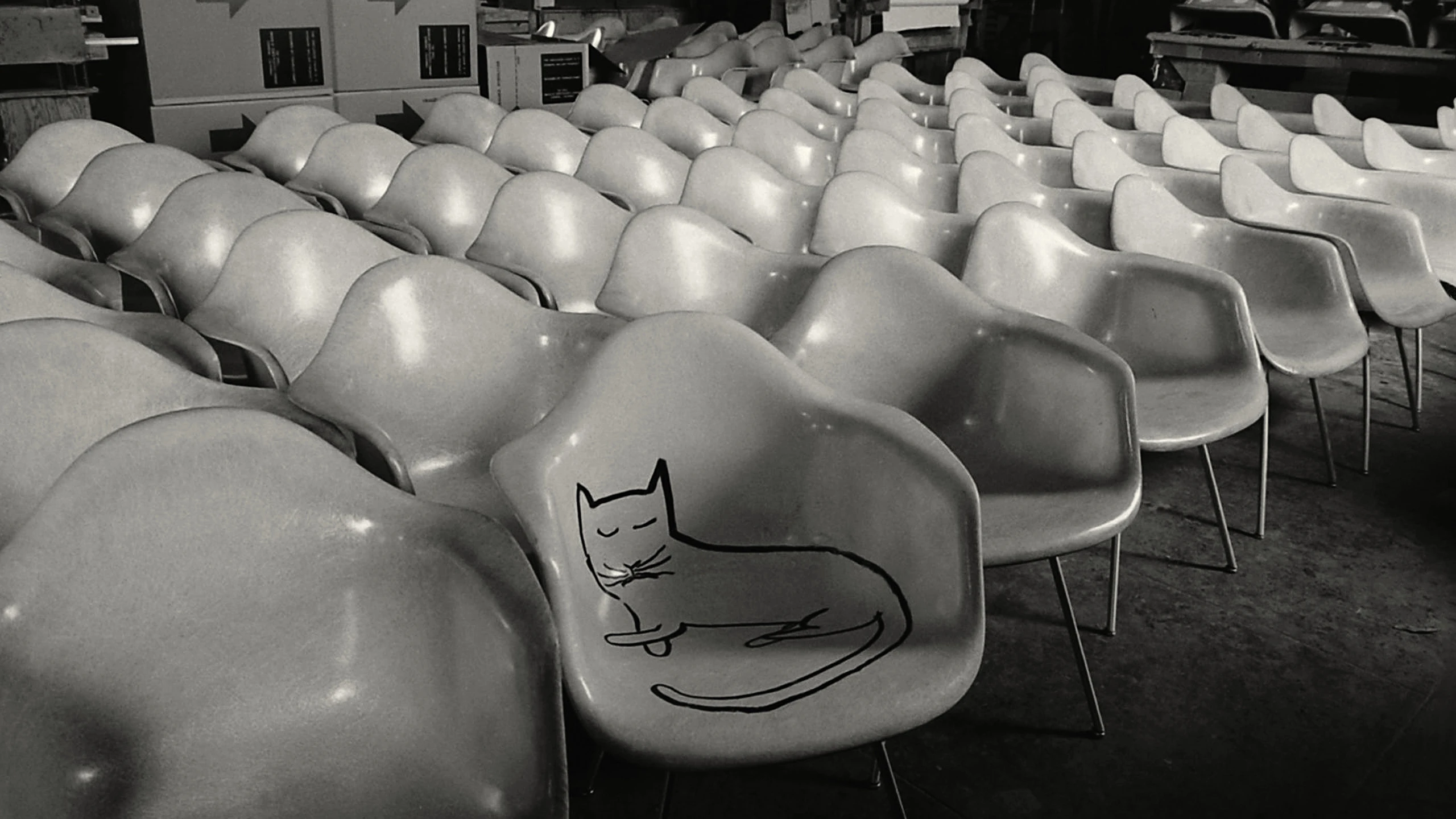
In the summer of 1950, the artist Saul Steinberg spent a day at play within the Office of Charles and Ray Eames resulting in an iconic collaboration.

Eames chairs have always stolen the spotlight, but an adjacent thirty-year legacy of table designs demonstrates the designers’ same thoughtful approach to problem-solving.
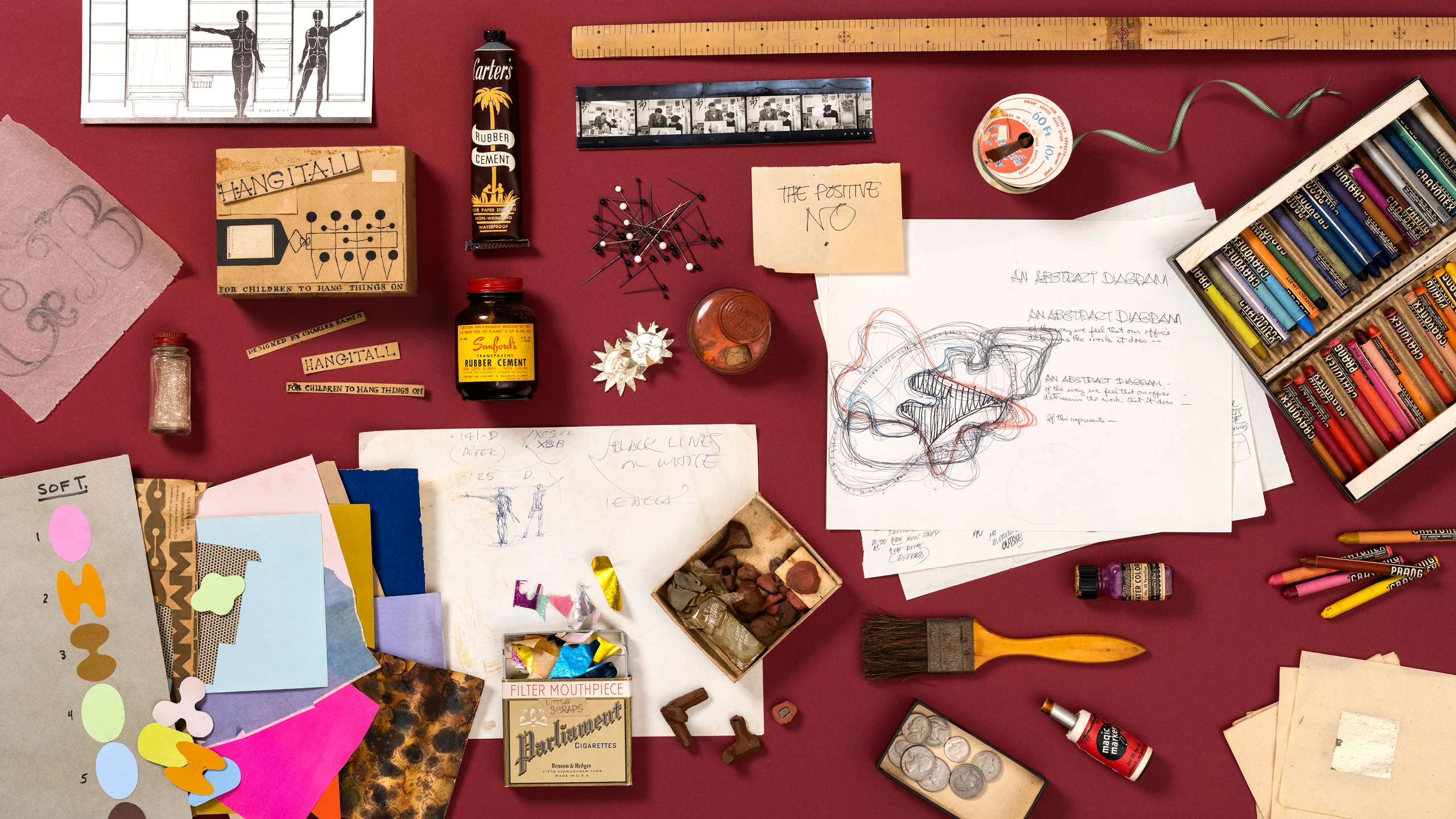
From scraps and scribbles to maquettes and models, the Eames Collection contains countless examples that illustrate Ray Eames’s unique working methods and iconic collaborations.
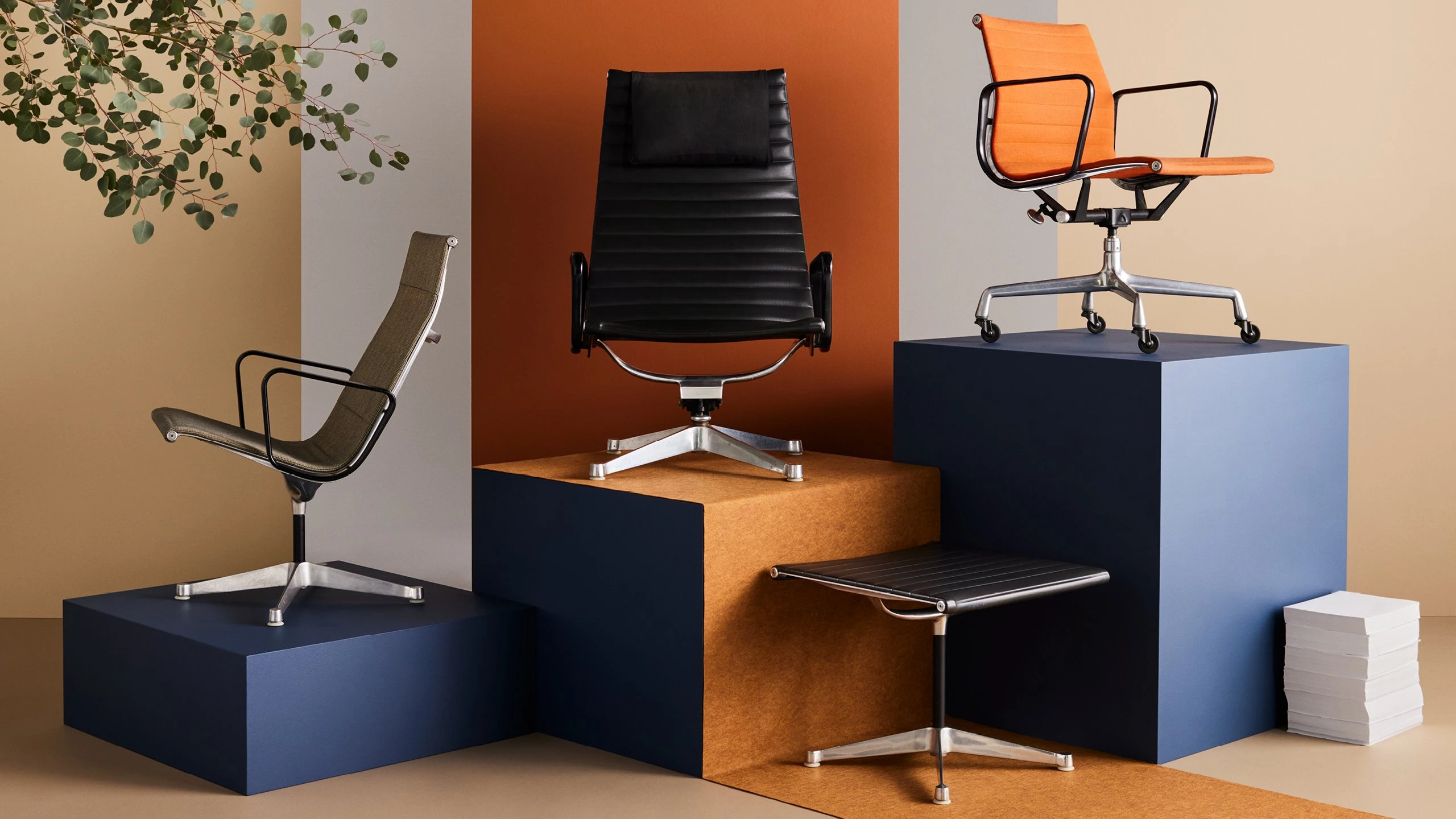
The Eames Aluminum Group originated as outdoor furniture for a specific architectural commission, but has subsequently become one of the most recognizable and successful Eames designs.
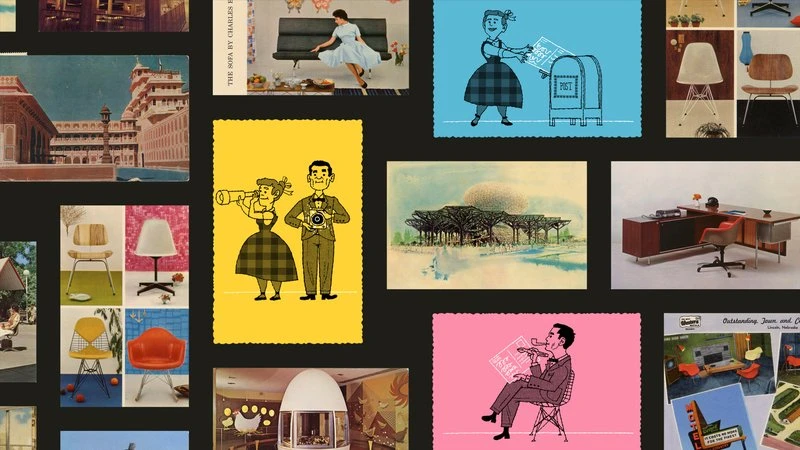
From promotional tools created by the Eameses, to communication devices from a bygone era, postcards offer a unique window into Ray and Charles’s world.

The Eameses’ quest to create a comfortable and affordable shell chair from a single material led to two iconic designs—and limitless permutations.

As World War II raged overseas, Ray and Charles turned their practice toward the war effort, and in the process learned lessons that set the stage for a life in design.

By the time Ray Kaiser met Charles Eames in 1940 each had led remarkable lives marked by restless curiosity and creative pursuits.